The Renaissance Of South Africa’s Rail Industry – A Fight Worth Fighting
South Africa’s rail industry stands on the cusp of a remarkable transformation, fuelled by a convergence of government initiatives, legislative reforms, private sector participation, and financial support. Amid challenges and setbacks, the country’s rail sector is emerging as a beacon of opportunity and resilience, poised to play a pivotal role in driving economic growth and sustainable development.
Whilst not all peaches and cream, South Africa and its incoming Private Sector Partners will be dealing with a significant backlog in infrastructure and rollingstock maintenance, a rampant problem of infrastructure theft and vandalism impacting services, foundational issues within our major ports, as well as a National Government with exceptional tight purse strings, the opportunities are no doubt there.
Private Sector Revolution
At the heart of this transformation lies the emergence of what we in the industry call Structural Reform. This is the introduction of private operators in South Africa’s historically state-dominated freight rail market. With the imminent release of a rail Network Statement proposing regulations for private participation, the government is signalling a fundamental shift towards increased efficiency and effectiveness within the logistics sector. This move, spearheaded by President Cyril Ramaphosa’s office, aims to address longstanding challenges stemming from mismanagement and corruption scandals, while harnessing the potential of private investment to revitalize rail infrastructure and operations.
The Private Sector is poised to address part of the estimated R200 billion backlog in infrastructure spend, to bring our network back to the world-class level that it should be. Whilst our network is the largest network on the continent, with some 22,000 route kilometers, only a small percentage of that network carries the bulk of our rail freight, allowing industry to focus its efforts on the biggest impact pieces of infrastructure, which support our major job-producing industries of mining, agriculture, and manufacturing. The stabilisation of these important lines can then lend themselves toward other economically essential lines identified as core and strategic.
Legislative Foundations
South Africa’s commitment to liberalizing the rail market, as outlined in the National Rail Policy, and supported by the Economic Regulation of Transport Act (TER Bill), reflects a strategic vision for fostering competition, innovation, and investment in rail transportation. This bill once again brings regulation to sections of the logistics sector, aligning the sector to our national strategic objectives.
Whilst we’re quick to point out the numerous, continued failings of our current administration (often rightfully so), the decline of our rail industry can be traced back to 1977, with the Roads Transport Act (Act 74 of 1977) which promulgated a freer, more competitive transport arrangement, decreasing the number of flows that would be subject to permits or regulation, ultimately deregulating the trucking industry – the genesis of our rail-to-road migration.
“The TER offers an opportunity to place the Private Sector as agents of the State, by creating an environment where interests are aligned, to provide rail services that satisfy the Government’s developmental mandate, whilst achieving the required return.” – David Taylor
The introduction of the Economic Regulation of Transport Act (which was accepted by Parliament in March 2024 and soon to be put into force by the President) once again brings much-needed regulation into the Transport space. This will reassess where the trucking industry needs to be supported, and where rail is a more logical option. Currently, it is not uncommon to see 30-meter Performance-Based Standards (PBS) trucks with a gross weight of some 116 tons operating on sections of South Africa’s roads where there is a completely viable rail link – sure, Transnet Freight Rail is the weakest link here, but with Structural Reform in place, there will be other, more viable options available to freight owners.
It must be acknowledged the role that PBS trucks have played in our logistics space, where rail has all but collapsed (speak to our Forestry Friends in Kwa Zulu Natal), these trucking solutions have kept mills open and operating, and have kept hundreds of thousands of people in their jobs in industries that rail has left behind.
Furthermore, the Transport Economic Regulator will have the jurisdictional capacity to enforce Structural Reform on our current State-Owned Monopolies, and the elements from within that might oppose the introduction of private funding into our sector. The TER offers an opportunity to place the Private Sector as agents of the State, by creating an environment where interests are aligned, to provide rail services that satisfy the Government’s developmental mandate, whilst achieving the required return.
Innovation in Rolling Stock Asset Management
South Africa’s (and possibly the world’s) shift is underscored by the Cape Town Convention (CTC) and the Luxembourg Rail Protocol (LRP). These international treaties are designed to facilitate asset-based financing and leasing in the rail sector, de-risking local and cross-border rolling stock ownership and operation through a registry-based legislative system.
While challenges remain in their full implementation, these treaties lay the groundwork for enhancing legal predictability, reducing financing risks, and promoting creditor rights. Historically, rolling stock was identified through network-specific nomenclature, painted on the side of each piece. This identification was often then painted over once crossed the border, or incorrectly identified during maintenance proceedings effectively leading to the situation we have at the moment that we don’t know what rolling stock we have, and where it is. Furthermore, once this wagon crosses a border, tracking becomes even harder given the probability of it being re-identified to suit the local network.
Through the LRP, rolling stock is identified in an international register, with entries made against its ownership and financing structure, which can be amended from time to time as ownership and financing arrangements change, is a replication of many other asset registry systems all over the world (think Natis).
Green Shoots of Refurbishment
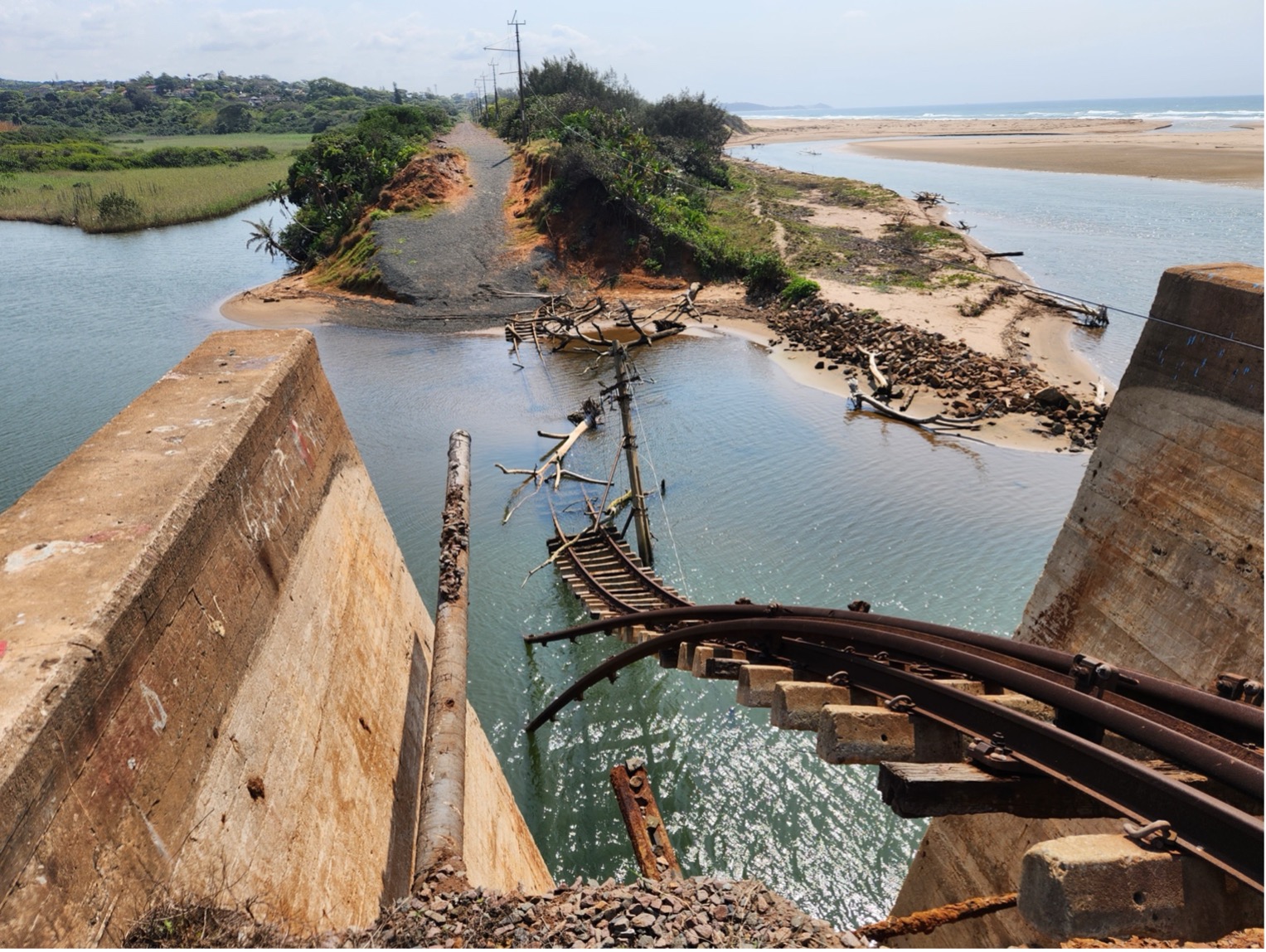
As we move into our new reform, we’re already identifying areas of revitalisation of our rail sector. Critical pieces of infrastructure have received undertakings for renewals or refurbishment, such as Durban’s South Coast Illovo Bridge washaway which is pegged to be reopened in December 2025, with an upgrade from a single line to a double line, removing the bottleneck of the Illovo Bridge. This particular bridge is fundamental to passenger connectivity to the Durban South Coast, as well as the Timber and Cement Industries.
Furthermore, Private Rail Entities like Traxtion (the Continent’s biggest private rail operator) are undergoing significant renewals of their locomotive fleet to ensure operational readiness. Furthermore, OEMs are in preparation for the mass refurbishment of long-standing locomotives which were essentially sterilised under the leadership of Portia Derby and Sizakela Mzimela. One example is Wabtec’s proactive position in the reinstatement of South Africa’s fleet of mainline diesel locomotives, our Class 43 which is due to bring significant capacity back into our infrastructure.
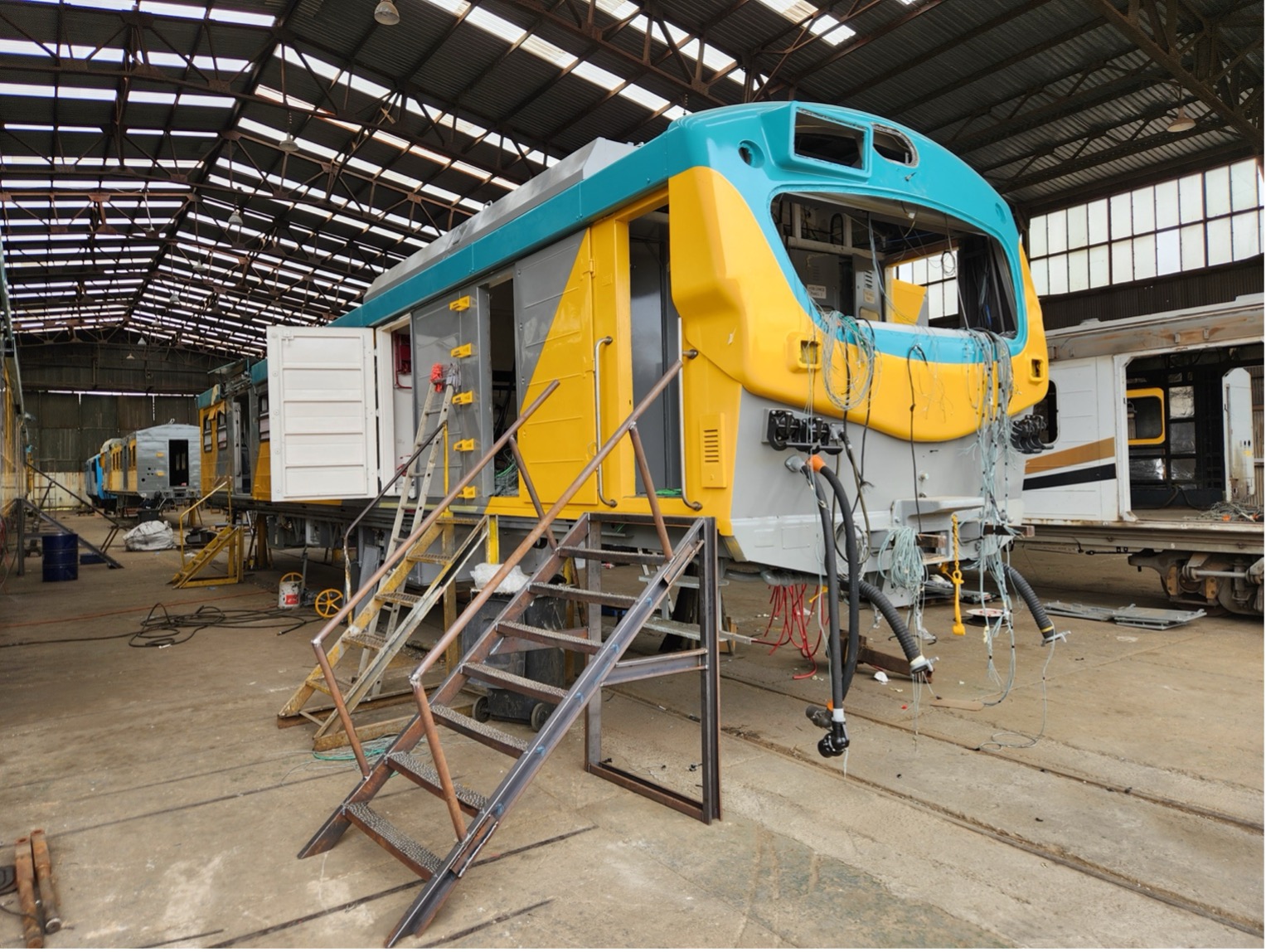
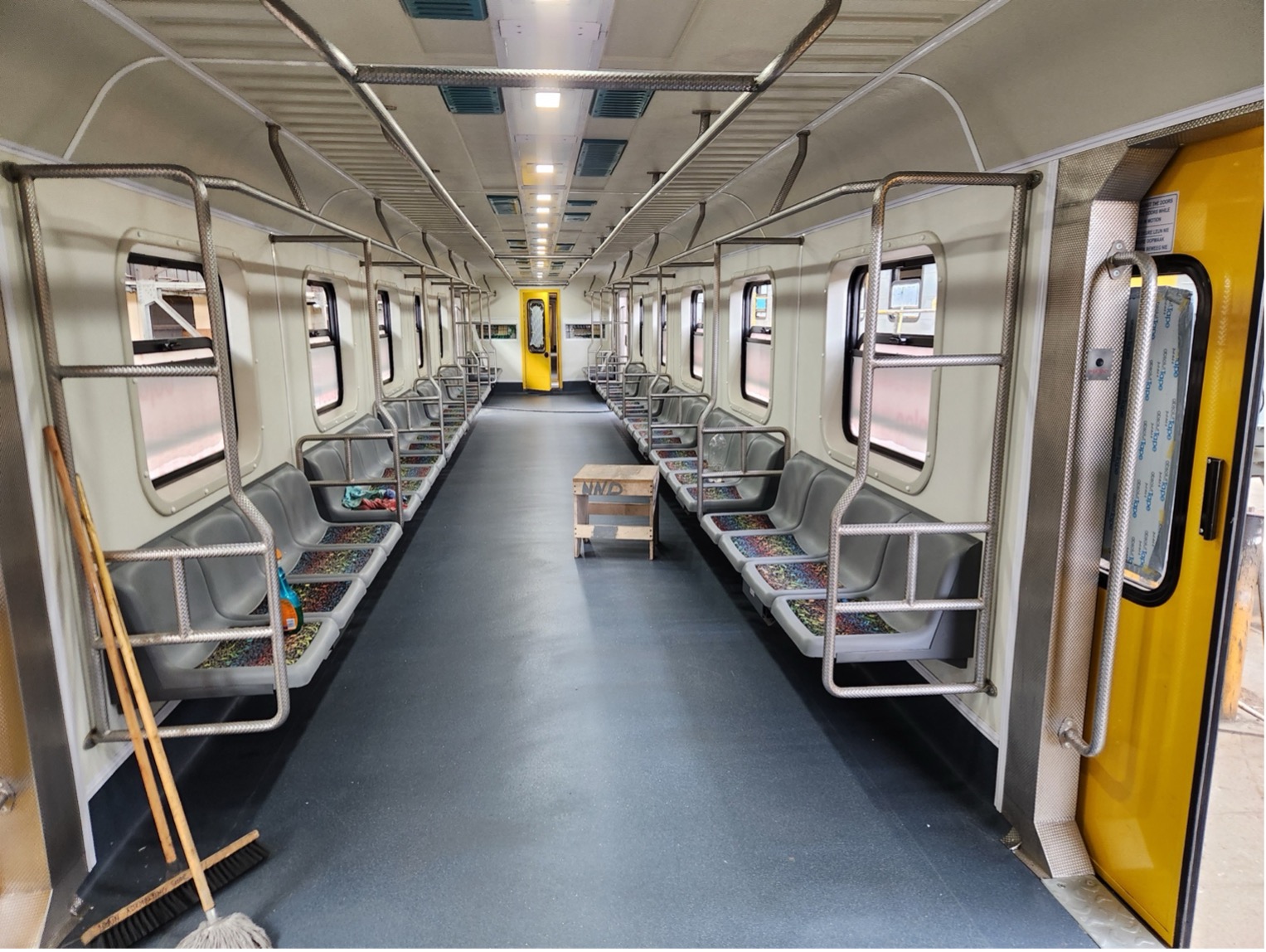
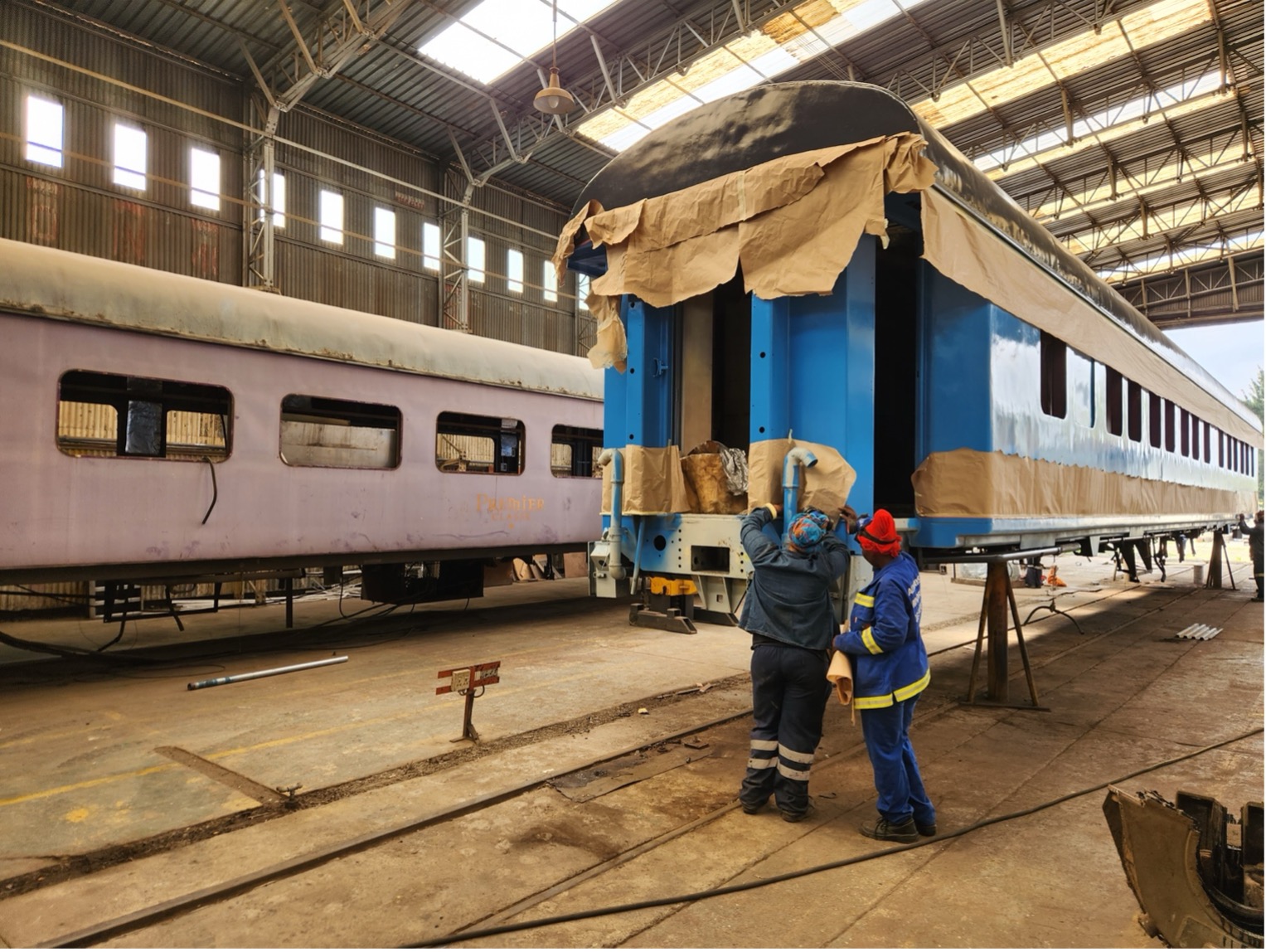
On the passenger rail side, Mirai Rail is undergoing the General Overhaul of Prasa’s Long-Distance Passenger Fleet, making incredible progress in their facility in Elandsfontein. This facility alone highlights the upcoming benefits to our rail industry. What could only be described as a clearing with a few overgrown lines, some hollowed-out buildings, and evidence of mass cable theft 6 months ago, is now a bustling refurbishment center that is reviving Prasa’s aging, vandalised fleet into renewed movers of the people. This facility alone provides significant jobs for the surrounding community, upskilling our populace into artisanal rolling stock component suppliers and mechanics.
Walking around the facility, it is evident that Pragasan Pillay (the Chief Operating Officer) has rolled up his sleeves and jumped headfirst into this project, leading from the bottom, pointing out various “wins” achieved in the past 6 months. One example is the sourcing of a supplier from the local community of all high-traffic metal plating used within each wagon. Through the Prasa contract, this supplier now supplies other facilities with the same service.
Another significant win is the hiring and training of a group of young women from the local community to undertake the rewiring work for motorcoaches (a technical feat for any technically trained staff) – the output of the work speaks for itself, with the wiring executed to perfection, a visible, tactile representation of the upliftment of the community, and the community delivering against the opportunity.
Infrastructure Revival
Central to the revitalization of South Africa’s rail industry is the creation of an interim infrastructure manager and the establishment of the Transnet Rail Infrastructure Manager (TRIM). These entities, supported by the Transport Economic Regulator (TER), are tasked with maximizing network utilization, increasing density, and generating revenue through track access charges. By promoting the modal shift from road to rail and investing in infrastructure rehabilitation and expansion, these reforms aim to enhance the competitiveness and reliability of South Africa’s rail network.
As discussed above, key to this is leveraging funding from the Private Sector to address these backlogs and inefficiencies in our network. This is hugely dependent on exactly how the Government designs its Structural Reform. The Department of Transport’s Freight Logistics Roadmap has loosely identified how this might happen, but with Private Funding must come control to mitigate the risk placed toward the Private Sector – it simply will not be feasible for all control to remain under a centralised Infrastructure Manager, yet all the risk be shifted out to the Private Sector participant. The concessioning of pieces of infrastructure might be the most straightforward mode for investment, but the concessionaire should have the autonomy of its own Infrastructure Manager.
Financial Reinforcement and Climate-based Alternative Funding
The recent decision to provide significant financial assistance to Transnet, totalling R47 billion, underscores the government’s commitment to supporting the sector’s revival. This “guarantee facility” not only addresses immediate debt obligations but also provides a lifeline for Transnet’s logistics turnaround plan. While sceptics remain cautious, citing concerns over management effectiveness and operational efficiency, the government’s decision reflects a pragmatic recognition of the sector’s strategic importance and its potential to drive economic growth and revenue generation.
Considering a few local factors that (i) rail is naturally less carbon intensive compared to road, (ii) the fact that South Africa has a very low percentage of its freight on rail, and finally (iii) our Government does not have the fiscus to support a meaningful road-to-rail migration, there emerges a strong possibility of climate funding to de-risk and support the above capital requirements. Outputs from COP28 in Dubai last year placed a further emphasis on the need to decarbonise our transport networks, with the promotion of Article 6.4 of the Paris Convention on Climate Change. This allows States to designate certain sectors that are identified and submitted to the Paris Convention to earn Carbon Credits at a premium. Considering points (i), (ii), and (iii) above, South Africa is well positioned to place transport as one of its National Designated Contributions to Article 6.4 of the Paris Convention.
Founded by David Taylor from Taylorail (the Author) and Marc Descoins from Tigaline (a boutique Project Development Firm), Carbon Capital Africa has partnered with the University of Exeter, the University of Auckland the American University of Sharjah and our own University of Stellenbosch to develop Climate Funding avenues for Africa’s infrastructure deficit under the Future 17 program, which develops initiatives to drive the United Nation’s Sustainable Development Goals. This is strategically aligned to Treasury’s conditions of its R47bn guarantee, for Transnet to discover alternative funding mechanisms for its infrastructure and maintenance.
Conclusion
If you cannot plant a garden, plant one seed. As South Africa’s rail industry embarks on this transformative journey, it presents unparalleled opportunities for stakeholders across the spectrum. From private operators eyeing growth prospects to policymakers charting the course for reform, the rail sector holds the key to unlocking the country’s economic potential and fostering sustainable development. By embracing innovation, collaboration, and strategic investment, South Africa’s rail industry is poised to reclaim its status as a driver of progress and prosperity on the African continent.