Addressing Transportation Inefficiencies in Africa Crucial to Reducing Food Insecurity
A new World Bank report reveals that transportation inefficiencies are causing significant food losses in Africa. Thirty-seven percent of locally produced food is lost in transit due to slow processing times, poor infrastructure, and non-tariff barriers.
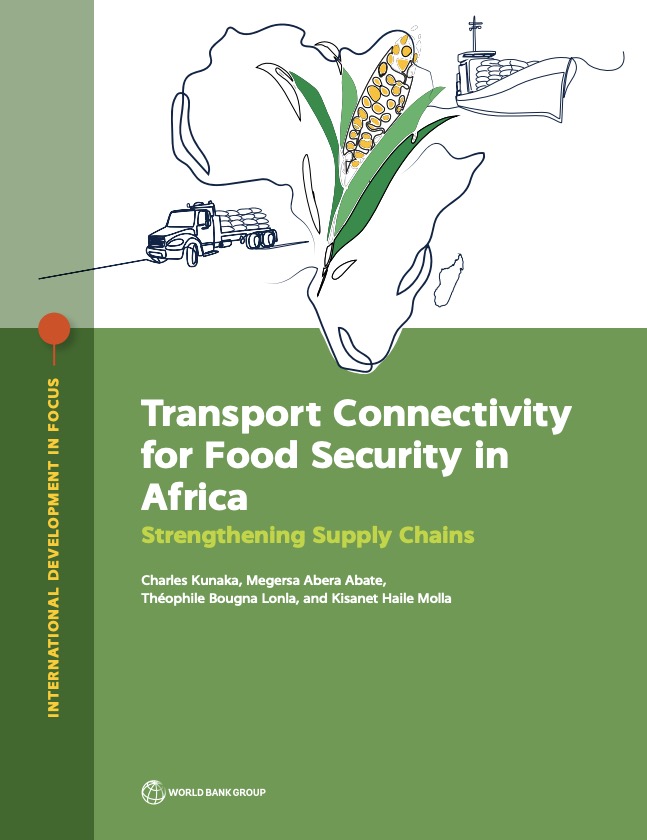
According to the report, Transport for Food Security in Sub-Saharan Africa: Strengthening Supply Chains, prioritising investments in 50 transportation hubs—10 ports, 20 border crossings, and 20 road segments—could reduce food waste and transform supply chains, benefiting the 58% of Africans who are currently food insecure.
“The availability of quality roads, railways, and ports significantly affects the efficiency and effectiveness with which food is distributed within and between countries. Poor transport networks lead to high transportation costs, delays, and increased postharvest losses, which in turn affect the availability and affordability of food.”
“Food insecurity in Africa isn’t just about producing more—it’s about fixing the broken systems that prevent it from getting where it’s needed most,” said Axel van Trotsenburg, Senior Managing Director at the World Bank. “By investing and improving transportation, we can remove the key bottlenecks, reduce costs, and ensure more reliable access to food for millions of people.”
While food insecurity in Africa stems from various factors like conflict, extreme weather, and economic instability, inefficient transport is a critical, yet often-overlooked contributor. The report finds that African food supply chains are four times longer than in Europe, leading to delayed food deliveries, increased prices, and wasted resources.
Charles Kunaka, World Bank Lead Transport Specialist and main report author, emphasised: “We cannot solve Africa’s food insecurity crisis without addressing the underlying transport issues. With coordinated investments in critical infrastructure, we can create a more resilient food system that ensures every African has access to the food they need to thrive.”
To address these challenges, the report recommends targeted investments in transport infrastructure, including upgrading ports, expanding road networks, and improving storage and distribution systems. These investments also create new jobs in the logistics sector.
The World Bank has committed $45 billion toward food and nutrition security, with initiatives spanning 90 countries and expected to benefit 327 million people. In Ethiopia, where agriculture is central to the economy, a $300 million roads development program is improving rural connectivity, linking communities to major markets, enhancing food access, and supporting broader economic growth.
Over the past decade, the World Bank Group has also worked with several client countries in Africa to improve their port infrastructure and connectivity. The Dar es Salaam Maritime Gateway Project, which includes a $345 million International Development Association (IDA) credit, aims to strengthen the port’s physical infrastructure and institutional capacity. The Djibouti Regional Economic Corridor supports efforts to strengthen Djibouti’s role as a major port and corridor of transit in the Horn of Africa.
Download the report from here: https://openknowledge.worldbank.org/entities/publication/308dc282-90c1-41e4-b4a2-0b19d2309d43