Week: 2025-44Print Edition:Edit Article
  • 10. Completed
Item 1

Rail Industry Safety Workshop Highlights Data-Driven Reforms and Modern Rail Safety Framework

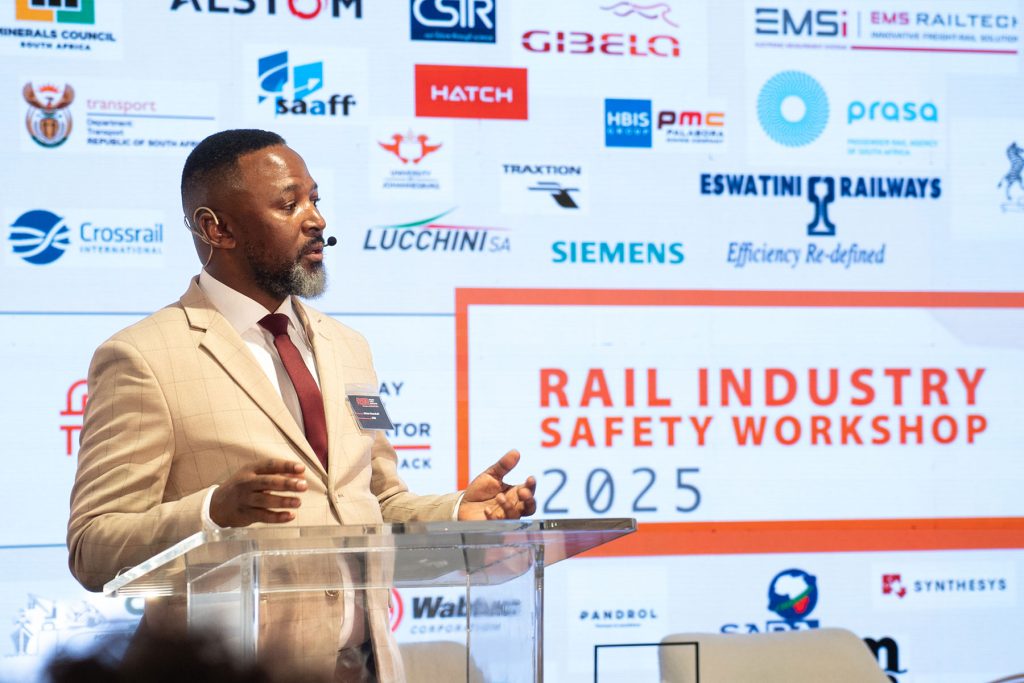
The Railway Safety Regulator (RSR) hosted a Rail Industry Safety Workshop under the theme “Safety in motion: Raising the standards” on Tuesday, 4 November at Melrose Arch, Johannesburg, attended by close to 200 rail industry stakeholders.

The session brought together representatives from across the rail sector to discuss key reforms introduced by the Railway Safety Act, 2024 (Act No. 30 of 2024) and to highlight the transformative potential of data-driven intelligence systems such as NIIMS NextGen in advancing safety oversight.

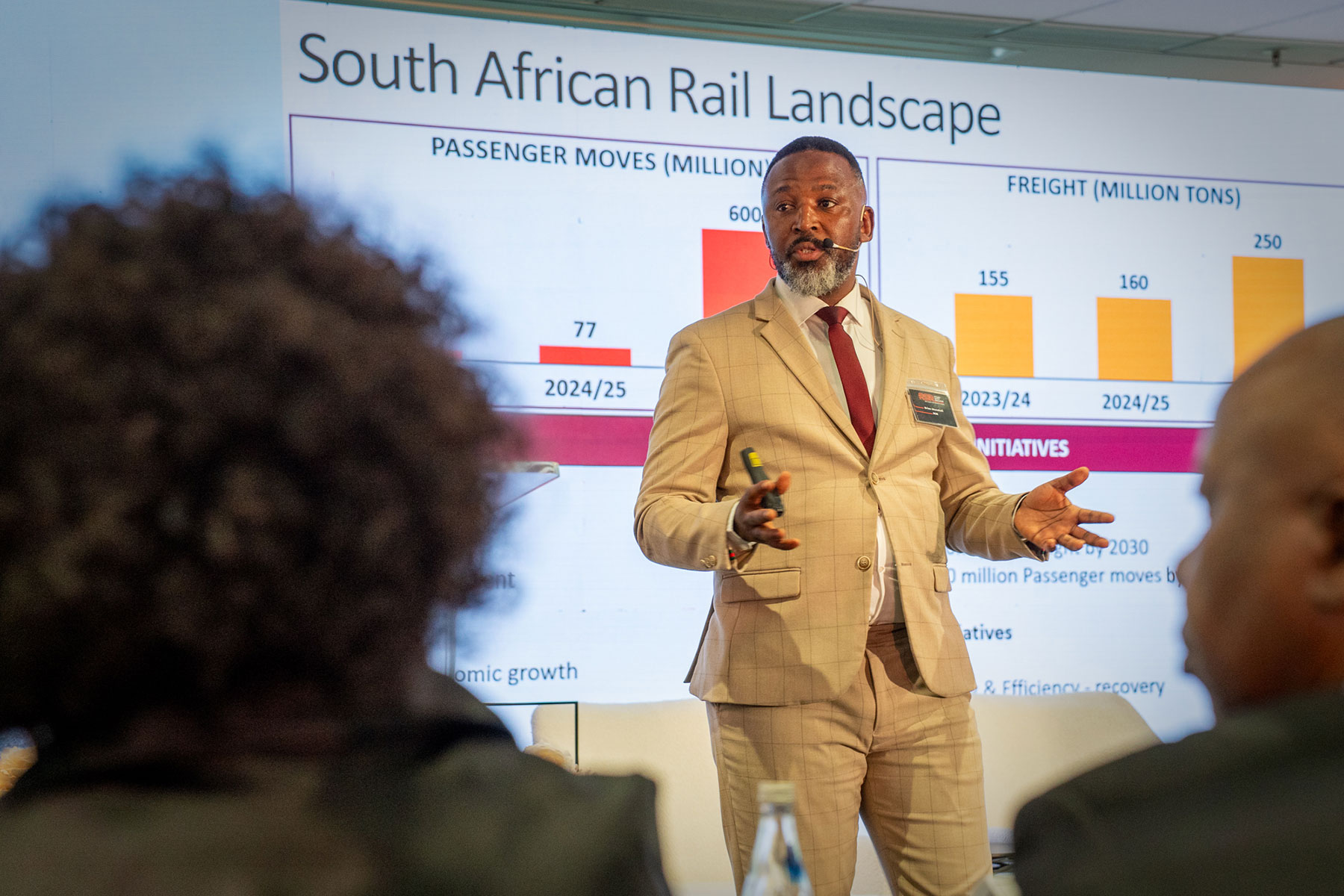
The workshop opened with input by the Chief Executive Officer of the RSR, Mr Brian Monakli, who reiterated the RSR’s commitment to partnership, data-driven decision-making, and continuous improvement.

“Safety is not a compliance exercise – it’s our collective responsibility to protect lives, assets, and the future of rail in South Africa”, he said. He further encouraged operators to join the Regulator on the journey to protect people and assets in the sector.

This was followed by a presentation on the Railway Safety Act, 2024, which officially replaces the National Railway Safety Regulator Act, 2002. The new legislation establishes a modern, proactive, and accountable framework that aligns South Africa’s rail safety governance with regional (SADC) and best international practices. It introduces several historic firsts, including the licensing of individuals in safety-critical grades, the creation of an independent Transport Appeal Tribunal, and the legal codification of the Regulator’s powers to enhance enforcement and transparency.

The speakers noted that the Act marks a decisive shift from reactive compliance to continuous, risk-based safety assurance, strengthening accountability among network, train, and station operators. Enhanced provisions for inspections, penalties, and data-driven monitoring will enable the Regulator to act more swiftly and effectively in addressing safety risks.

The workshop also featured a high-level CEO Panel Discussion that focused on aligning South Africa’s rail modernisation efforts with global trends. Three key themes emerged, including adopting global best practices for local application, SA’s infrastructure and skills challenges and building a road map for modernisation.

In addressing South Africa’s infrastructure and skills challenges, panellists highlighted that theft, vandalism, and obsolete relay-based signalling systems continue to undermine reliability and safety. They called for investment in modern, cloud-based systems, development of local supply chains, and targeted skills programmes to build local engineering capacity for advanced rail technologies.

The workshop also reviewed national safety performance trends and highlighted encouraging progress among key operators. PRASA reported a 94% increase in commuter ridership and a reduction in safety occurrence rates by half, while Transnet Freight Rail achieved a 13% reduction in freight-related occurrences and growth in tonnage moved. Despite improvements, security-related incidents and public safety risks remain areas requiring intensified focus.

Participants reaffirmed their commitment to strengthening safety culture, investing in modern technology, and promoting shared responsibility between operators, regulators, and the public.

Closing the session, the RSR reiterated that the Railway Safety Act, 2024 and NIIMS NextGen together represent a new era of intelligence-led, data-driven, and collaborative rail safety governance. The collective vision is clear: to ensure that South Africa’s rail system remains safe, reliable, and resilient — serving passengers, workers, and the broader economy
Item 2

Contributor:

Rail Industry Safety Workshop Highlights Data-Driven Reforms and Modern Rail Safety Framework

The Railway Safety Regulator (RSR) hosted a Rail Industry Safety Workshop under the theme “Safety in motion: Raising the standards” on Tuesday, 4 November at Melrose Arch, Johannesburg, attended by close to 200 rail industry stakeholders.

The session brought together representatives from across the rail sector to discuss key reforms introduced by the Railway Safety Act, 2024 (Act No. 30 of 2024) and to highlight the transformative potential of data-driven intelligence systems such as NIIMS NextGen in advancing safety oversight.

The workshop opened with input by the Chief Executive Officer of the RS, Mr Brian Monakli, who reiterated the RSR’s commitment to partnership, data-driven decision-making, and continuous improvement.

“Safety is not a compliance exercise – it’s our collective responsibility to protect lives, assets, and the future of rail in South Africa”, he said. He further encouraged operators to join the Regulator on the journey to protect people and assets in the sector.

This was followed by a presentation on the Railway Safety Act, 2024, which officially replaces the National Railway Safety Regulator Act, 2002. The new legislation establishes a modern, proactive, and accountable framework that aligns South Africa’s rail safety governance with regional (SADC) and best international practices. It introduces several historic firsts, including the licensing of individuals in safety-critical grades, the creation of an independent Transport Appeal Tribunal, and the legal codification of the Regulator’s powers to enhance enforcement and transparency.

The speakers noted that the Act marks a decisive shift from reactive compliance to continuous, risk-based safety assurance, strengthening accountability among network, train, and station operators. Enhanced provisions for inspections, penalties, and data-driven monitoring will enable the Regulator to act more swiftly and effectively in addressing safety risks.

The workshop also featured a high-level CEO Panel Discussion that focused on aligning South Africa’s rail modernisation efforts with global trends. Three key themes emerged, including adopting global best practices for local application, SA’s infrastructure and skills challenges and building a road map for modernisation.

In addressing South Africa’s infrastructure and skills challenges, panellists highlighted that theft, vandalism, and obsolete relay-based signalling systems continue to undermine reliability and safety. They called for investment in modern, cloud-based systems, development of local supply chains, and targeted skills programmes to build local engineering capacity for advanced rail technologies.

The workshop also reviewed national safety performance trends and highlighted encouraging progress among key operators. PRASA reported a 94% increase in commuter ridership and a reduction in safety occurrence rates by half, while Transnet Freight Rail achieved a 13% reduction in freight-related occurrences and growth in tonnage moved. Despite improvements, security-related incidents and public safety risks remain areas requiring intensified focus.

Participants reaffirmed their commitment to strengthening safety culture, investing in modern technology, and promoting shared responsibility between operators, regulators, and the public.

Closing the session, the RSR reiterated that the Railway Safety Act, 2024 and NIIMS NextGen together represent a new era of intelligence-led, data-driven, and collaborative rail safety governance. The collective vision is clear: to ensure that South Africa’s rail system remains safe, reliable, and resilient — serving passengers, workers, and the broader economy
Why it Matters


  • The Railway Safety Act 2024 represents a shift from reactive compliance to continuous, risk-based assurance in rail safety governance.
  • Implementation of NIIMS NextGen enables the RSR to apply data-driven intelligence to monitor, inspect and enforce safety standards.
  • Strengthening the safety framework supports improved reliability, asset protection and contributes to broader infrastructure modernisation under regional and international best practices.
  • A strong safety culture mitigates operational, economic and reputational risks for rail operators, aligning with Africa’s broader transport-infrastructure and industrial-growth agenda.

Web

Content Visibility:

SEO Title
Rail Industry Safety Workshop 2025 – Advancing a Data-Driven, Modern Rail Safety Framework
SEO Description
The Railway Safety Regulator’s Rail Industry Safety Workshop on 4 Nov highlighted the new Railway Safety Act 2024 and data-driven safety oversight including NIIMS NextGen.
SEO Keywords


SEO Keyphrase
  • Railway Safety
  • South Africa
Item 2

Please tag the RSR

https://www.railwaysafrica.com/news/rail-industry-safety-workshop-highlights-data-driven-reforms-and-modern-rail-safety-framework

On 4 November at Melrose Arch, the Railway Safety Regulator (RSR) hosted the “Safety in Motion: Raising the Standards” Rail Industry Safety Workshop. Nearly 200 rail sector stakeholders gathered to examine the newly enacted Railway Safety Act 2024, support the adoption of NIIMS NextGen for data-driven oversight and reaffirm the industry’s shared responsibility for the safe, reliable and resilient future of rail in South Africa.

#RailSafety #DataDrivenRail #RailModernisation #SouthAfricaRail

The RSR’s “Safety in Motion: Raising the Standards” workshop brought nearly 200 rail stakeholders together to explore the Railway Safety Act 2024 and NIIMS NextGen’s role in a data-driven rail safety framework. #RailSafety #SArail #DataDriven #RailModernisation

  • https://www.linkedin.com/company/railway-safety-regulator/
  • https://web.facebook.com/railwaysafetyregulator
  • https://www.instagram.com/railway_safety_regulator/?hl=en
Item 2

Contributor:

Rail Industry Safety Workshop Highlights Data-Driven Reforms and Modern Rail Safety Framework

The Railway Safety Regulator (RSR) hosted a Rail Industry Safety Workshop under the theme “Safety in motion: Raising the standards” on Tuesday, 4 November at Melrose Arch, Johannesburg, attended by close to 200 rail industry stakeholders.

The session brought together representatives from across the rail sector to discuss key reforms introduced by the Railway Safety Act, 2024 (Act No. 30 of 2024) and to highlight the transformative potential of data-driven intelligence systems such as NIIMS NextGen in advancing safety oversight.

The workshop opened with input by the Chief Executive Officer of the RS, Mr Brian Monakli, who reiterated the RSR’s commitment to partnership, data-driven decision-making, and continuous improvement.

“Safety is not a compliance exercise – it’s our collective responsibility to protect lives, assets, and the future of rail in South Africa”, he said. He further encouraged operators to join the Regulator on the journey to protect people and assets in the sector.

This was followed by a presentation on the Railway Safety Act, 2024, which officially replaces the National Railway Safety Regulator Act, 2002. The new legislation establishes a modern, proactive, and accountable framework that aligns South Africa’s rail safety governance with regional (SADC) and best international practices. It introduces several historic firsts, including the licensing of individuals in safety-critical grades, the creation of an independent Transport Appeal Tribunal, and the legal codification of the Regulator’s powers to enhance enforcement and transparency.

The speakers noted that the Act marks a decisive shift from reactive compliance to continuous, risk-based safety assurance, strengthening accountability among network, train, and station operators. Enhanced provisions for inspections, penalties, and data-driven monitoring will enable the Regulator to act more swiftly and effectively in addressing safety risks.

The workshop also featured a high-level CEO Panel Discussion that focused on aligning South Africa’s rail modernisation efforts with global trends. Three key themes emerged, including adopting global best practices for local application, SA’s infrastructure and skills challenges and building a road map for modernisation.

In addressing South Africa’s infrastructure and skills challenges, panellists highlighted that theft, vandalism, and obsolete relay-based signalling systems continue to undermine reliability and safety. They called for investment in modern, cloud-based systems, development of local supply chains, and targeted skills programmes to build local engineering capacity for advanced rail technologies.

The workshop also reviewed national safety performance trends and highlighted encouraging progress among key operators. PRASA reported a 94% increase in commuter ridership and a reduction in safety occurrence rates by half, while Transnet Freight Rail achieved a 13% reduction in freight-related occurrences and growth in tonnage moved. Despite improvements, security-related incidents and public safety risks remain areas requiring intensified focus.

Participants reaffirmed their commitment to strengthening safety culture, investing in modern technology, and promoting shared responsibility between operators, regulators, and the public.

Closing the session, the RSR reiterated that the Railway Safety Act, 2024 and NIIMS NextGen together represent a new era of intelligence-led, data-driven, and collaborative rail safety governance. The collective vision is clear: to ensure that South Africa’s rail system remains safe, reliable, and resilient — serving passengers, workers, and the broader economy

Print

Magazine Section

Africa Update

Instructions

Brian Monakli, CEO, RSR. Photo Credit ©Railways Africa // Craig Dean

Brian Monakli, CEO, RSR. Photo Credit ©Railways Africa // Craig Dean

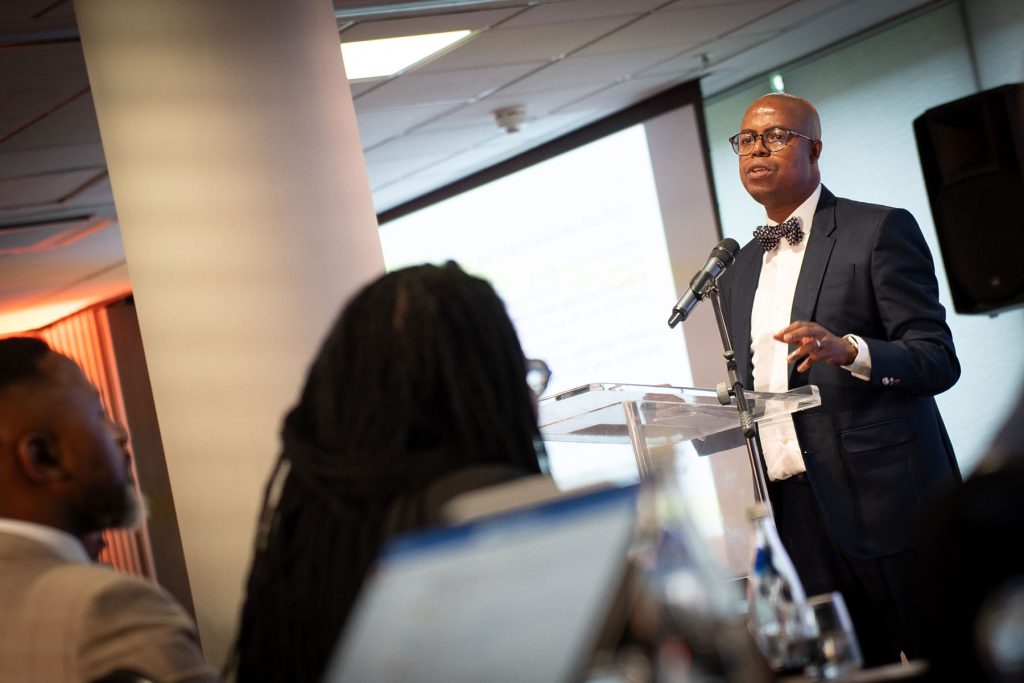
Ngwako Makapea, DDG Rail, Department of Transport. Photo Credit ©Railways Africa // Craig Dean