Mosetse-Kazungula-Livingstone Railway Project to Cost US$1.5 Billion
The Mosetse-Kazungula-Livingstone Railway Project between Botswana and Zambia has been estimated to cost US$1.5 billion.
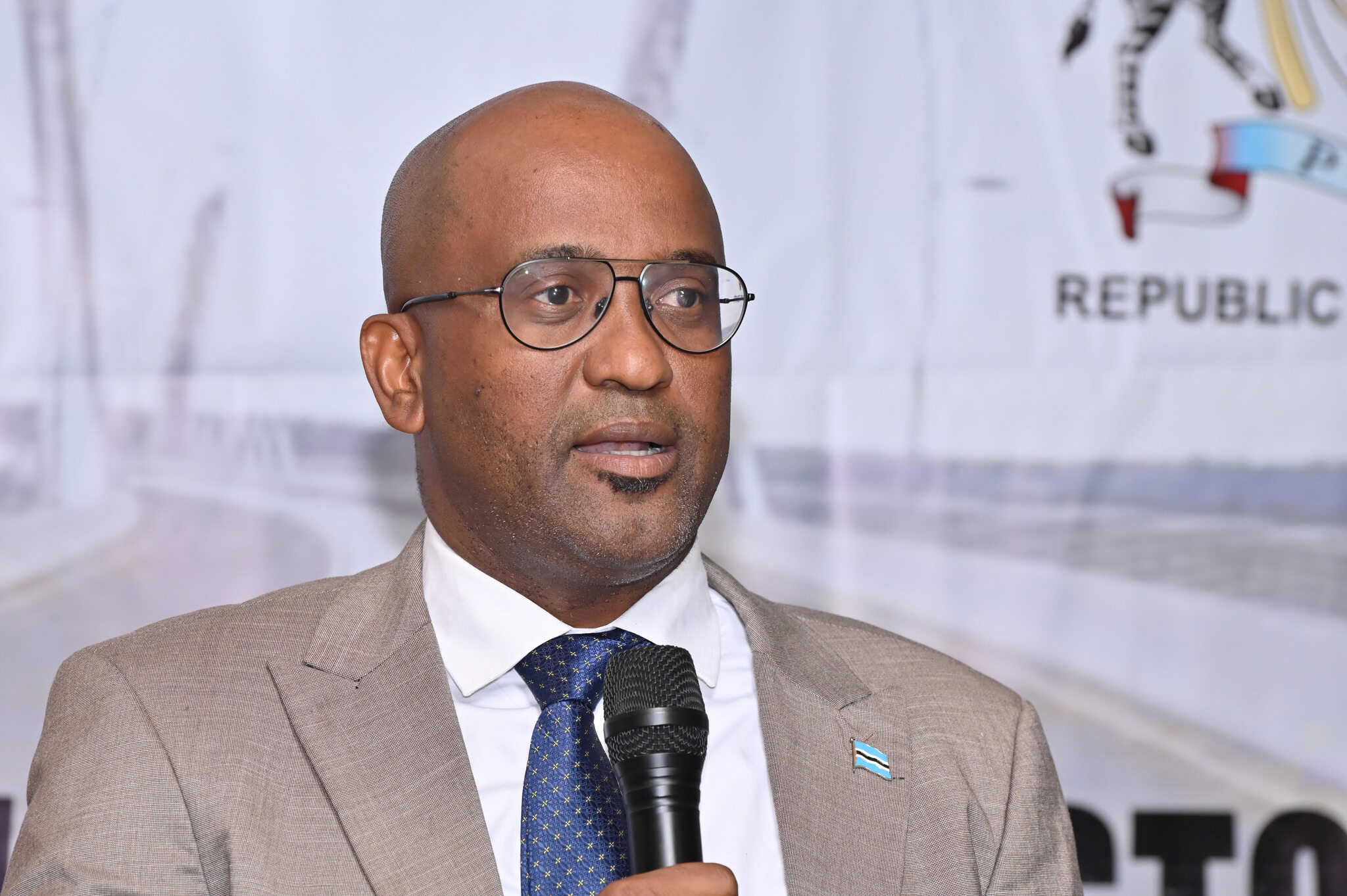
Minister of Transport and Infrastructure of Botswana, Noah Salakae, said a railway of this scale, with estimated infrastructure costs of US$ 1.5 billion and traction investments of over US$130 million, cannot be sustained unless it carries in the region of 7.5 million tonnes of freight annually.
He said the existing road traffic across the Kazungula Bridge totals around 3.1 million tonnes per year, so the project will not be starting from zero.
At present, Botswana Railways transports just over 1 million tonnes of freight per year, a commendable increase from the previous year, but still far below the levels this new corridor would demand, Salakae said.
He said this highlights the need for deliberate cargo mobilisation, operational scaling, and logistics modernisation, if Botswana Railways is to be ready for this transformational opportunity.
Salakae said this during a meeting on the project with Zambian Minister of Transport and Logistics, Frank Tayali, held in Kasane, Botswana.
The meeting was the first meeting since the signing of the Bilateral Agreement between Botswana and Zambia in March 2024, which sought to sponsor a bankable feasibility study and construction of the railway line from Mosetse in Botswana to Livingstone in Zambia through the Kazungula Bridge.
The proposed Mosetse – Kazungula – Livingstone railway line, a 430-kilometre rail corridor, will link the two economies and strengthen the North–South transport axis, Salakae said.
Before the construction of the Beitbridge line, Botswana moved over 2 million tonnes of transit traffic between the DRC and Durban Port via Plumtree, since it was relatively the shortest route at 3,216 km. When the Beitbridge corridor line was opened in September 1999, the distance from Lubumbashi to the Durban Port via Beitbridge became the shortest and preferred at 3,188 km.
Salakae said with the opening of the Mosetse- Livingstone line, the distance from Lubumbashi to the Durban Port has will become the shortest ever at 2,860 km.
Botswana and Zambia believe that the Mosetse-Kazungula-Livingstone line is poised to unlock immense potential, as it will facilitate trade, enhance connectivity, and create new opportunities for businesses and communities across both nations. The link will serve as a critical transport infrastructure, bolstering the two economies and strengthening the bonds between Zambia and Botswana, and indeed, the wider SADC region.
Salakae said the traditional alternative through Zimbabwe via the Victoria Falls Bridge imposes severe limitations, permitting just five wagons per rake due to structural loading constraints.
Mosetse–Kazungula–Livingstone Railway Project: Key points on Cost, Freight Demand, Route Efficiency, and Regional Impact
- Project Cost and Scope:
The Mosetse–Kazungula–Livingstone railway project is estimated to cost US$1.5 billion, including over US$130 million in traction investments, to develop a 430km cross-border rail corridor between Botswana and Zambia. - Freight Volume Requirement:
For long-term viability, the railway must handle at least 7.5 million tonnes of freight annually, significantly higher than current freight volumes managed by Botswana Railways. - Strategic Corridor Advantage:
Once operational, the line will provide the shortest route from Lubumbashi to Durban Port, reducing the distance to 2,860km, compared to previous routes via Plumtree (3,216km) and Beitbridge (3,188km). - Modernisation and Mobilisation Needed:
The success of the corridor will depend on cargo mobilisation, operational scaling, and logistics modernisation, as current volumes, such as 3.1 million tonnes across the Kazungula Bridge, need substantial growth. - Regional Integration and Trade Boost:
The railway is expected to strengthen the North–South transport axis, improve regional trade links, and provide economic benefits across the SADC region, particularly enhancing connectivity between Botswana and Zambia.