Week: 2025-43Print Edition:Edit Article
  • 10. Completed
Item 1

Luanda Summit: Building a Sovereign Africa: Continental Leaders Unite to Finance Connectivity and Integration

The Third Financing Summit for Africa’s Infrastructure Development opened on 28 October 2025, in Luanda, with a resounding call to action from African leaders, who emphasised that unlocking the continent’s full potential as a global growth engine depends on bridging its vast infrastructure financing gap.

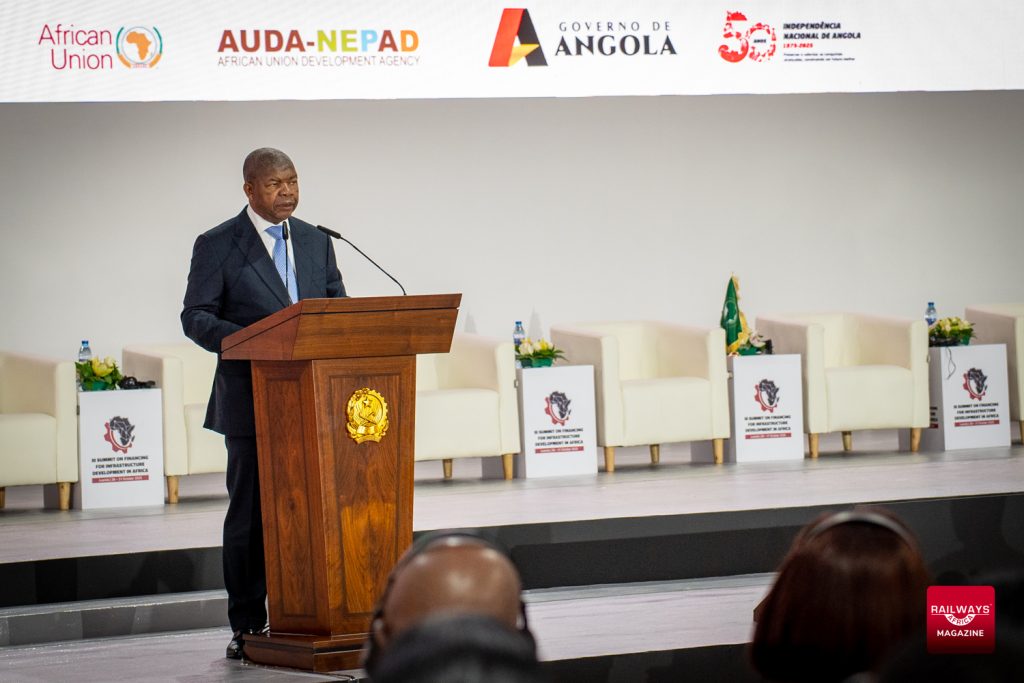
In his opening address, H.E. João Manuel Gonçalves Lourenço, President of the Republic of Angola and Chairperson of the African Union (AU), stressed that Africa must invest between $130 billion and $170 billion annually to lay the foundation for sustainable growth. “We must move from words to action,” President Lourenço urged. “This Summit represents a decisive step toward mobilising the resources needed to enhance connectivity and integration across our continent.”

Co-hosted by the African Union Commission (AUC) and the African Union Development Agency (AUDA-NEPAD) under the theme “Capital, Corridors, Trade: Investing in Infrastructure for the AfCFTA and Shared Prosperity,” the Summit seeks to accelerate strategic and bankable projects that will advance the African Continental Free Trade Area (AfCFTA) – a unified market of 1.4 billion people.

A New Phase of African Self-Determination

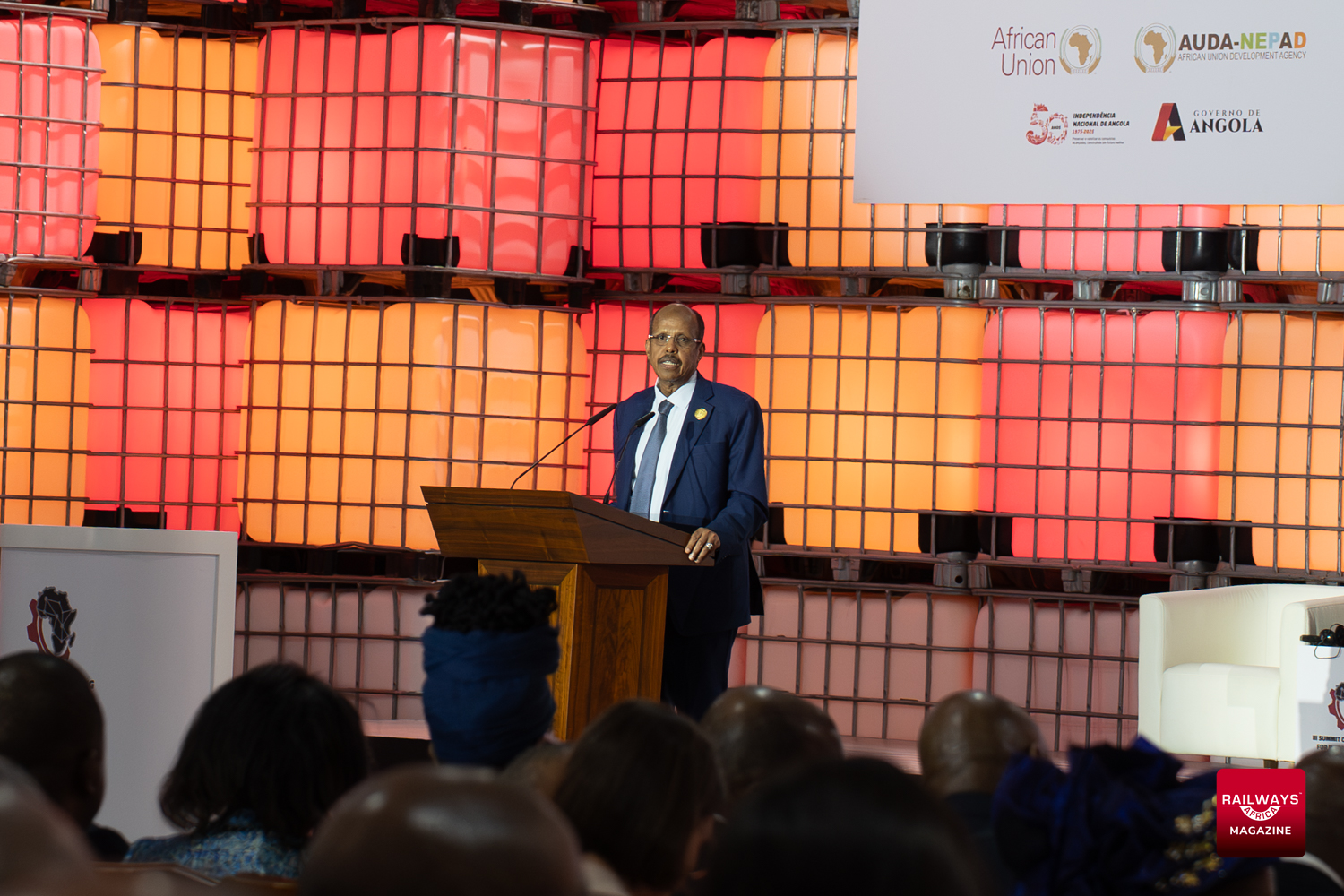
In his address at the Luanda Summit, African Union Commission Chairperson H.E. Mahmoud Ali Youssouf emphasised that Africa is entering a new phase of self-determination, one in which the continent must take ownership of financing, planning, and implementing its own development. He underscored that infrastructure investment is not merely technical but deeply political and strategic, vital to Africa’s economic sovereignty, competitiveness, and unity. Highlighting progress made under the PIDA framework, he called for an African-driven ecosystem for development financing through domestic resource mobilisation, stronger private sector participation, and greater access to climate funds.

Echoing the urgency the Chairperson of the African Union Commission, framed infrastructure investment as a deeply political and strategic imperative for Africa’s economic sovereignty. “We are shifting from a logic of assistance to a logic of alliance, where partners align their engagement with priorities defined by Africa itself,” he declared. He concluded with a powerful vision: “What we are building here are not merely roads and bridges. We are building an Africa that is connected, confident, and sovereign.”

Momentum from Dakar to Luanda: From Talk to Traction

Ms Nardos Bekele-Thomas, CEO of AUDA-NEPAD, reported significant progress since the previous summit in Dakar, Senegal. She announced that the AU, alongside African financial institutions, has already raised $1.5 billion to execute high-impact cross-border projects.

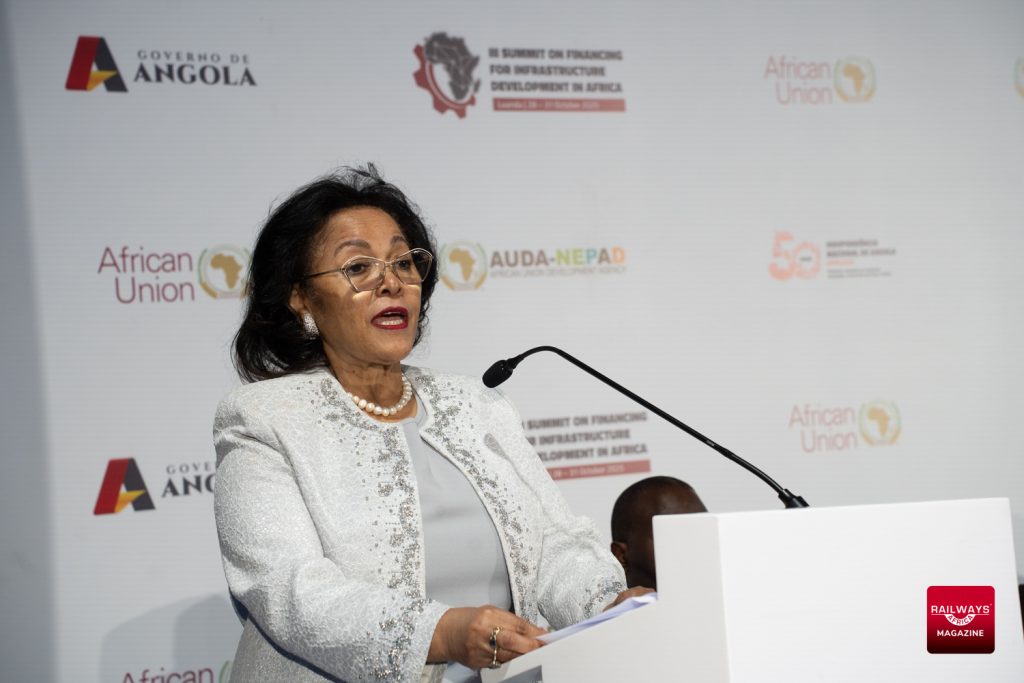
“The lesson from Dakar is clear: we can no longer treat financing as a fragmented market of scattered deals. We must transform it into a unified strategy,” Bekele-Thomas stated. She detailed new financial instruments, including the Alliance for Green Infrastructure in Africa’s Project Development Fund, which has achieved a first close of $118 million and is managed by Africa50.

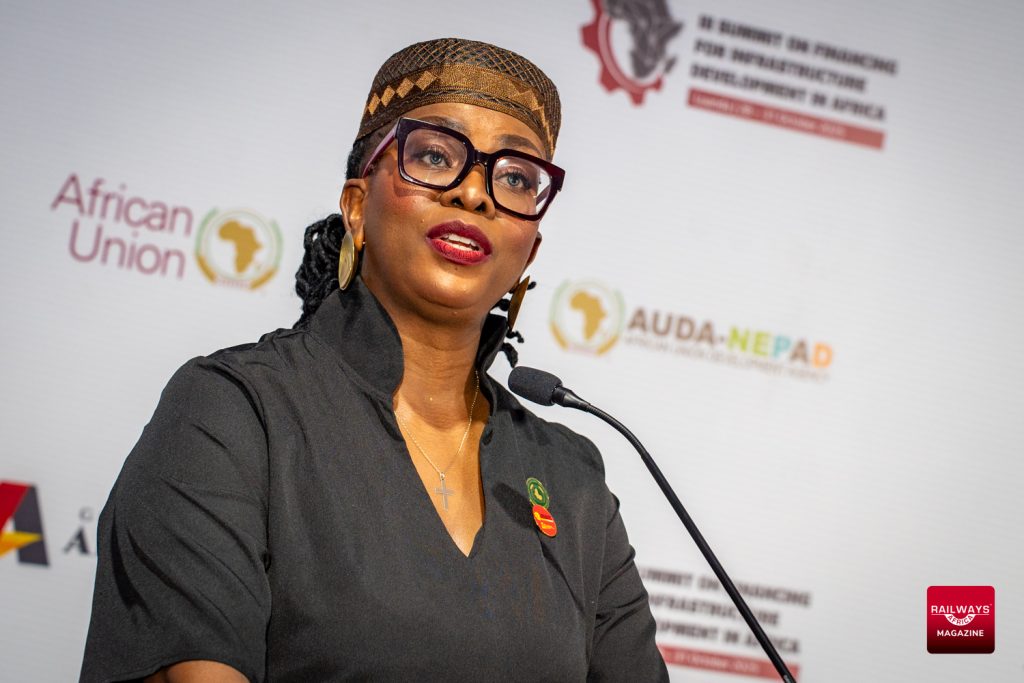
At the Leaders’ Dialogue that followed the opening, African Union Commissioner for Infrastructure and Energy, H.E. Lerato Dorothy Mataboge, delivered a compelling message on Africa’s journey toward structural transformation. She reminded participants that Africa’s economic aspirations, from industrialisation to integration, hinge on the strength of the infrastructure that connects and empowers its people. “We cannot talk about the Africa we want without first building the infrastructure we need. The foundations of prosperity rest on what we build today—our roads, our power grids, our digital networks, and our ports. To realise our ambitions, we must embrace two principles: prioritise African financing, skills, and innovation in infrastructure, and advance projects that drive industrialisation. Only then can we truly measure our progress by how we’ve built and industrialised our continent.”

Deals and Dollars: Concrete Commitments Announced

The Summit moved beyond dialogue to secure tangible commitments, marked by the signing of three key Memoranda of Understanding (MOUs):

  1. A partnership between the African Social Security Association and AUDA-NEPAD to channel African pension funds into continental infrastructure.
  2. An MOU with Qatar Airways establishing a $500 million endowment for renewable energy and climate-aligned industrialisation.
  3. The establishment of the Angola Export and Trade Facility to promote regional cooperation and trade.

Accelerating Deal-Making in Dedicated ‘Deal Rooms’

A central feature of the Summit are specially designated ‘deal rooms,’ where investors are engaged in curated, sector-specific pitch meetings for 13 advanced, near-bankable projects in energy, ICT, water, and transport. These sessions are designed to facilitate in-depth due diligence and accelerate projects toward financial close.

The III Financing Summit for Africa’s Infrastructure Development stands as a definitive moment, signalling Africa’s unified resolve to finance its own destiny and build the interconnected, prosperous future its people deserve.
Item 2

Contributor:

Luanda Summit: Building a Sovereign Africa: Continental Leaders Unite to Finance Connectivity and Integration

The Third Financing Summit for Africa’s Infrastructure Development opened on 28 October 2025, in Luanda, with a resounding call to action from African leaders, who emphasised that unlocking the continent’s full potential as a global growth engine depends on bridging its vast infrastructure financing gap.

In his opening address, H.E. João Manuel Gonçalves Lourenço, President of the Republic of Angola and Chairperson of the African Union (AU), stressed that Africa must invest between $130 billion and $170 billion annually to lay the foundation for sustainable growth. “We must move from words to action,” President Lourenço urged. “This Summit represents a decisive step toward mobilising the resources needed to enhance connectivity and integration across our continent.”

Co-hosted by the African Union Commission (AUC) and the African Union Development Agency (AUDA-NEPAD) under the theme “Capital, Corridors, Trade: Investing in Infrastructure for the AfCFTA and Shared Prosperity,” the Summit seeks to accelerate strategic and bankable projects that will advance the African Continental Free Trade Area (AfCFTA) – a unified market of 1.4 billion people.

A New Phase of African Self-Determination

In his address at the Luanda Summit, African Union Commission Chairperson H.E. Mahmoud Ali Youssouf emphasised that Africa is entering a new phase of self-determination, one in which the continent must take ownership of financing, planning, and implementing its own development. He underscored that infrastructure investment is not merely technical but deeply political and strategic, vital to Africa’s economic sovereignty, competitiveness, and unity. Highlighting progress made under the PIDA framework, he called for an African-driven ecosystem for development financing through domestic resource mobilisation, stronger private sector participation, and greater access to climate funds.

Echoing the urgency the Chairperson of the African Union Commission, framed infrastructure investment as a deeply political and strategic imperative for Africa’s economic sovereignty. “We are shifting from a logic of assistance to a logic of alliance, where partners align their engagement with priorities defined by Africa itself,” he declared. He concluded with a powerful vision: “What we are building here are not merely roads and bridges. We are building an Africa that is connected, confident, and sovereign.”

Momentum from Dakar to Luanda: From Talk to Traction

Ms Nardos Bekele-Thomas, CEO of AUDA-NEPAD, reported significant progress since the previous summit in Dakar, Senegal. She announced that the AU, alongside African financial institutions, has already raised $1.5 billion to execute high-impact cross-border projects.

“The lesson from Dakar is clear: we can no longer treat financing as a fragmented market of scattered deals. We must transform it into a unified strategy,” Bekele-Thomas stated. She detailed new financial instruments, including the Alliance for Green Infrastructure in Africa’s Project Development Fund, which has achieved a first close of $118 million and is managed by Africa50.

At the Leaders’ Dialogue that followed the opening, African Union Commissioner for Infrastructure and Energy, H.E. Lerato Dorothy Mataboge, delivered a compelling message on Africa’s journey toward structural transformation. She reminded participants that Africa’s economic aspirations, from industrialisation to integration, hinge on the strength of the infrastructure that connects and empowers its people. “We cannot talk about the Africa we want without first building the infrastructure we need. The foundations of prosperity rest on what we build today—our roads, our power grids, our digital networks, and our ports. To realise our ambitions, we must embrace two principles: prioritise African financing, skills, and innovation in infrastructure, and advance projects that drive industrialisation. Only then can we truly measure our progress by how we’ve built and industrialised our continent.”

Deals and Dollars: Concrete Commitments Announced

The Summit moved beyond dialogue to secure tangible commitments, marked by the signing of three key Memoranda of Understanding (MOUs):

  1. A partnership between the African Social Security Association and AUDA-NEPAD to channel African pension funds into continental infrastructure.
  2. An MOU with Qatar Airways establishing a $500 million endowment for renewable energy and climate-aligned industrialisation.
  3. The establishment of the Angola Export and Trade Facility to promote regional cooperation and trade.

Accelerating Deal-Making in Dedicated ‘Deal Rooms’

A central feature of the Summit are specially designated ‘deal rooms,’ where investors are engaged in curated, sector-specific pitch meetings for 13 advanced, near-bankable projects in energy, ICT, water, and transport. These sessions are designed to facilitate in-depth due diligence and accelerate projects toward financial close.

The III Financing Summit for Africa’s Infrastructure Development stands as a definitive moment, signalling Africa’s unified resolve to finance its own destiny and build the interconnected, prosperous future its people deserve.
Web

Content Visibility:

SEO Title
Luanda Summit: Building a Sovereign Africa – Leaders Unite to Finance Connectivity and Integration
SEO Description
At the Luanda Summit, African leaders pledge to close the infrastructure gap, mobilising funds and partnerships to build a connected and sovereign Africa.
SEO Keywords


SEO Keyphrase
  • Finance & Investment
  • Infrastructure
  • Policy & Legislation
  • PPP- Public Private Partnership
  • Railway Infrastructure
  • Transport Infrastructure
  • All Africa
Item 2

Craig I gave you the list of all to tag

https://www.railwaysafrica.com/news/luanda-summit-building-a-sovereign-africa-continental-leaders-unite-to-finance-connectivity-and-integration

At the Luanda Summit, African leaders united to drive Africa’s infrastructure transformation, pledging decisive action to close the continent’s financing gap. President João Lourenço, AU Chairperson, and AUDA-NEPAD CEO Nardos Bekele-Thomas led a call to mobilise capital and partnerships for projects advancing connectivity, trade, and integration under the AfCFTA.
With $1.5 billion already raised and 13 near-bankable projects in the pipeline, the Summit marks a turning point towards African-led, sovereign development.

#LuandaSummit #AUDANEPAD #AfricanUnion #Agenda2063 #AfCFTA #Infrastructure #Development #AfricanIntegration #SustainableFinance #PIDA #AfricaRising

Twitter:

At the Luanda Summit, African leaders committed to closing Africa’s infrastructure gap and financing its own growth through AfCFTA-aligned projects. #LuandaSummit #AUDANEPAD #Agenda2063

Item 2

Contributor:

Luanda Summit: Building a Sovereign Africa: Continental Leaders Unite to Finance Connectivity and Integration

The Third Financing Summit for Africa’s Infrastructure Development opened on 28 October 2025, in Luanda, with a resounding call to action from African leaders, who emphasised that unlocking the continent’s full potential as a global growth engine depends on bridging its vast infrastructure financing gap.

In his opening address, H.E. João Manuel Gonçalves Lourenço, President of the Republic of Angola and Chairperson of the African Union (AU), stressed that Africa must invest between $130 billion and $170 billion annually to lay the foundation for sustainable growth. “We must move from words to action,” President Lourenço urged. “This Summit represents a decisive step toward mobilising the resources needed to enhance connectivity and integration across our continent.”

Co-hosted by the African Union Commission (AUC) and the African Union Development Agency (AUDA-NEPAD) under the theme “Capital, Corridors, Trade: Investing in Infrastructure for the AfCFTA and Shared Prosperity,” the Summit seeks to accelerate strategic and bankable projects that will advance the African Continental Free Trade Area (AfCFTA) – a unified market of 1.4 billion people.

A New Phase of African Self-Determination

In his address at the Luanda Summit, African Union Commission Chairperson H.E. Mahmoud Ali Youssouf emphasised that Africa is entering a new phase of self-determination, one in which the continent must take ownership of financing, planning, and implementing its own development. He underscored that infrastructure investment is not merely technical but deeply political and strategic, vital to Africa’s economic sovereignty, competitiveness, and unity. Highlighting progress made under the PIDA framework, he called for an African-driven ecosystem for development financing through domestic resource mobilisation, stronger private sector participation, and greater access to climate funds.

Echoing the urgency the Chairperson of the African Union Commission, framed infrastructure investment as a deeply political and strategic imperative for Africa’s economic sovereignty. “We are shifting from a logic of assistance to a logic of alliance, where partners align their engagement with priorities defined by Africa itself,” he declared. He concluded with a powerful vision: “What we are building here are not merely roads and bridges. We are building an Africa that is connected, confident, and sovereign.”

Momentum from Dakar to Luanda: From Talk to Traction

Ms Nardos Bekele-Thomas, CEO of AUDA-NEPAD, reported significant progress since the previous summit in Dakar, Senegal. She announced that the AU, alongside African financial institutions, has already raised $1.5 billion to execute high-impact cross-border projects.

“The lesson from Dakar is clear: we can no longer treat financing as a fragmented market of scattered deals. We must transform it into a unified strategy,” Bekele-Thomas stated. She detailed new financial instruments, including the Alliance for Green Infrastructure in Africa’s Project Development Fund, which has achieved a first close of $118 million and is managed by Africa50.

At the Leaders’ Dialogue that followed the opening, African Union Commissioner for Infrastructure and Energy, H.E. Lerato Dorothy Mataboge, delivered a compelling message on Africa’s journey toward structural transformation. She reminded participants that Africa’s economic aspirations, from industrialisation to integration, hinge on the strength of the infrastructure that connects and empowers its people. “We cannot talk about the Africa we want without first building the infrastructure we need. The foundations of prosperity rest on what we build today—our roads, our power grids, our digital networks, and our ports. To realise our ambitions, we must embrace two principles: prioritise African financing, skills, and innovation in infrastructure, and advance projects that drive industrialisation. Only then can we truly measure our progress by how we’ve built and industrialised our continent.”

Deals and Dollars: Concrete Commitments Announced

The Summit moved beyond dialogue to secure tangible commitments, marked by the signing of three key Memoranda of Understanding (MOUs):

  1. A partnership between the African Social Security Association and AUDA-NEPAD to channel African pension funds into continental infrastructure.
  2. An MOU with Qatar Airways establishing a $500 million endowment for renewable energy and climate-aligned industrialisation.
  3. The establishment of the Angola Export and Trade Facility to promote regional cooperation and trade.

Accelerating Deal-Making in Dedicated ‘Deal Rooms’

A central feature of the Summit are specially designated ‘deal rooms,’ where investors are engaged in curated, sector-specific pitch meetings for 13 advanced, near-bankable projects in energy, ICT, water, and transport. These sessions are designed to facilitate in-depth due diligence and accelerate projects toward financial close.

The III Financing Summit for Africa’s Infrastructure Development stands as a definitive moment, signalling Africa’s unified resolve to finance its own destiny and build the interconnected, prosperous future its people deserve.
Print

Magazine Section

Africa Update

Instructions

H.E. João Manuel Gonçalves Lourenço, President of the Republic of Angola and Chairperson of the African Union (AU). Photo credit © Railways Africa // Craig Dean

African Union Commission Chairperson H.E. Mahmoud Ali Youssouf. Photo credit © Railways Africa // Craig Dean

Ms Nardos Bekele-Thomas, CEO of AUDA-NEPAD. Photo credit © Railways Africa // Craig Dean

H.E. Lerato Dorothy Mataboge, African Union Commissioner for Infrastructure and Energy. Photo credit © Railways Africa // Craig Dean