Week: 2026 – 03Print Edition:Edit Article
  • 10. Completed
Item 1

Luanda Finance Summit: World Bank Adapting Transport Investment Tools for Cross-Border Rail Projects in Africa

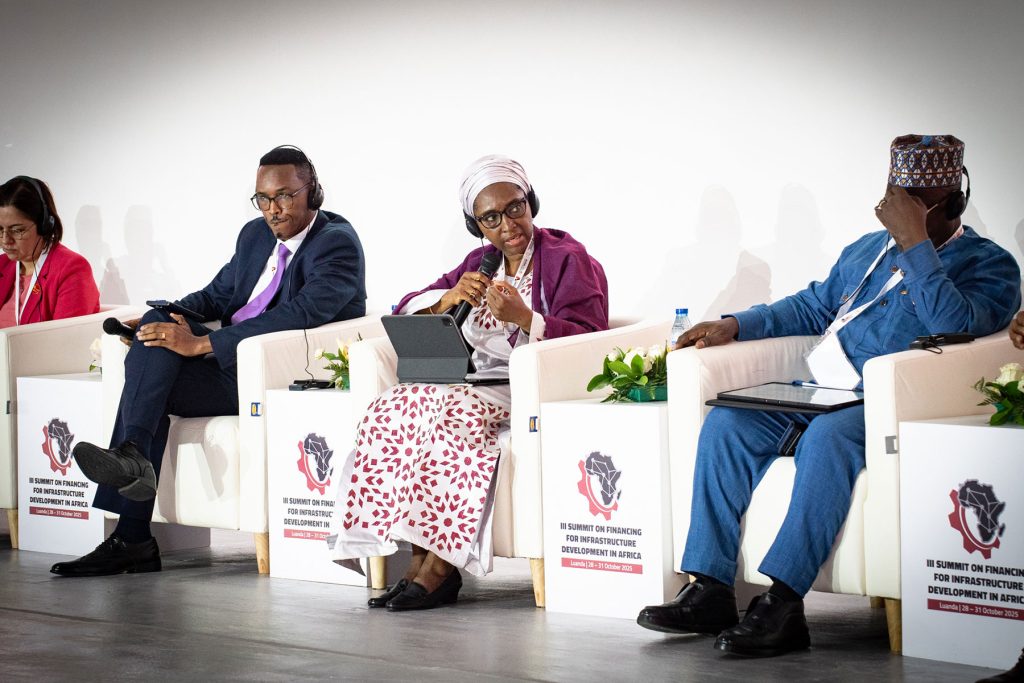
During the 2025 Luanda Finance Summit, a panel discussion examined how governments, development finance institutions and private investors can converge around a continental financing compact that transforms fragmented rail projects into an integrated, bankable network capable of advancing AfCFTA-driven trade. Within this context, the World Bank outlined how it is adapting transport investment tools to finance infrastructure projects, with a particular focus on cross-border rail.

The World Bank Group remains committed to advancing Africa’s economic integration and sustainable development through the strategic mobilisation of private sector investment. This approach includes transformative projects such as the Lobito Corridor, which are aligned with the objectives of the African Continental Free Trade Area (AfCFTA).

In support of this objective, the World Bank Group is adapting and innovating transport investment tools to crowd in private capital for cross-border rail projects that underpin regional integration and the economic agenda of African countries. These tools include sovereign loans, guarantees and public-private partnership platforms delivered through the International Finance Corporation.

Work is focused on enhancing sovereign loan instruments through blended finance and risk mitigation. Sovereign loan programmes are increasingly being implemented through blended finance approaches that leverage concessional and non-concessional funding sources. These structures reduce the risk profile of large investments such as cross-border rail projects, making them more attractive to private investors. Risk mitigation instruments, including political risk guarantees and currency risk hedging, are being used to address fundamental barriers to private sector investment across borders.

These measures contribute to improved project bankability and investor confidence.

In parallel, guarantees and credit enhancement tools are being developed and expanded to catalyse private investment. Guarantees are used to cover off-take, construction and operational risks associated with cross-border rail infrastructure. These instruments enable limited public sector funding to mobilise private sector resources in larger volumes of private capital.

Partial risk guarantees are also being explored and tailored to the specific challenges faced by cross-border projects, providing protection against policy and sovereign-related risks that often impede infrastructure investment.

Public-private partnership advisory services and investment platforms delivered through the IFC form a further component of this approach. These platforms support the structuring of bankable cross-border rail projects through the development of legal, regulatory and contractual frameworks aligned with regional integration objectives under the AfCFTA. The IFC platforms promote financing models including revenue-sharing arrangements, concession agreements and green finance mechanisms to attract private operators and financiers.

This includes support for the development of regional PPP pipelines that are bankable, sustainable and aligned with Africa’s development priorities.
Contributor: Phillippa Dean

Original Article URL 1Original Article URL 2
Luanda Finance Summit
Item 2

Contributor: Phillippa Dean

Luanda Finance Summit: World Bank Adapting Transport Investment Tools for Cross-Border Rail Projects in Africa

During the 2025 Luanda Finance Summit, a panel discussion examined how governments, development finance institutions and private investors can converge around a continental financing compact that transforms fragmented rail projects into an integrated, bankable network capable of advancing AfCFTA-driven trade. Within this context, the World Bank outlined how it is adapting transport investment tools to finance infrastructure projects, with a particular focus on cross-border rail.

The World Bank Group remains committed to advancing Africa’s economic integration and sustainable development through the strategic mobilisation of private sector investment. This approach includes transformative projects such as the Lobito Corridor, which are aligned with the objectives of the African Continental Free Trade Area (AfCFTA).

In support of this objective, the World Bank Group is adapting and innovating transport investment tools to crowd in private capital for cross-border rail projects that underpin regional integration and the economic agenda of African countries. These tools include sovereign loans, guarantees and public-private partnership platforms delivered through the International Finance Corporation.

Work is focused on enhancing sovereign loan instruments through blended finance and risk mitigation. Sovereign loan programmes are increasingly being implemented through blended finance approaches that leverage concessional and non-concessional funding sources. These structures reduce the risk profile of large investments such as cross-border rail projects, making them more attractive to private investors. Risk mitigation instruments, including political risk guarantees and currency risk hedging, are being used to address fundamental barriers to private sector investment across borders.

These measures contribute to improved project bankability and investor confidence.

In parallel, guarantees and credit enhancement tools are being developed and expanded to catalyse private investment. Guarantees are used to cover off-take, construction and operational risks associated with cross-border rail infrastructure. These instruments enable limited public sector funding to mobilise private sector resources in larger volumes of private capital.

Partial risk guarantees are also being explored and tailored to the specific challenges faced by cross-border projects, providing protection against policy and sovereign-related risks that often impede infrastructure investment.

Public-private partnership advisory services and investment platforms delivered through the IFC form a further component of this approach. These platforms support the structuring of bankable cross-border rail projects through the development of legal, regulatory and contractual frameworks aligned with regional integration objectives under the AfCFTA. The IFC platforms promote financing models including revenue-sharing arrangements, concession agreements and green finance mechanisms to attract private operators and financiers.

This includes support for the development of regional PPP pipelines that are bankable, sustainable and aligned with Africa’s development priorities.

Web

Content Visibility:

SEO Title
Luanda Finance Summit: World Bank Adapts Transport Investment Tools for Cross-Border Rail in Africa
SEO Description
At the Luanda Finance Summit, the World Bank outlined how blended finance, guarantees and PPP tools are being adapted to fund cross-border rail in Africa.
SEO Keywords


SEO Keyphrase
  • AfCTA
  • Finance & Investment
  • Infrastructure
  • PPP- Public Private Partnership
  • Railway Construction
  • Railway Infrastructure
  • Transport Infrastructure
  • All Africa
Item 2

All the AUDA and Au per the list, as well as the World Bank, please

https://www.railwaysafrica.com/news/luanda-finance-summit-world-bank-adapting-transport-investment-tools-for-cross-border-rail-projects-in-africa

At the 2025 Luanda Finance Summit, the World Bank Group outlined how it is adapting transport investment tools to mobilise private capital for cross-border rail projects in Africa.

The approach focuses on blended finance, guarantees and IFC-led public-private partnership platforms to improve bankability, reduce risk and support regional rail integration aligned with the African Continental Free Trade Area.

These tools are being positioned to transform fragmented national rail investments into integrated, bankable corridors that support trade, logistics and long-term economic growth.

#LuandaFinanceSummit #WorldBank #RailInfrastructure #CrossBorderRail #AfCFTA #InfrastructureFinance #AfricaDevelopment #PublicPrivatePartnerships

Item 2

Contributor: Phillippa Dean

Luanda Finance Summit: World Bank Adapting Transport Investment Tools for Cross-Border Rail Projects in Africa

During the 2025 Luanda Finance Summit, a panel discussion examined how governments, development finance institutions and private investors can converge around a continental financing compact that transforms fragmented rail projects into an integrated, bankable network capable of advancing AfCFTA-driven trade. Within this context, the World Bank outlined how it is adapting transport investment tools to finance infrastructure projects, with a particular focus on cross-border rail.

The World Bank Group remains committed to advancing Africa’s economic integration and sustainable development through the strategic mobilisation of private sector investment. This approach includes transformative projects such as the Lobito Corridor, which are aligned with the objectives of the African Continental Free Trade Area (AfCFTA).

In support of this objective, the World Bank Group is adapting and innovating transport investment tools to crowd in private capital for cross-border rail projects that underpin regional integration and the economic agenda of African countries. These tools include sovereign loans, guarantees and public-private partnership platforms delivered through the International Finance Corporation.

Work is focused on enhancing sovereign loan instruments through blended finance and risk mitigation. Sovereign loan programmes are increasingly being implemented through blended finance approaches that leverage concessional and non-concessional funding sources. These structures reduce the risk profile of large investments such as cross-border rail projects, making them more attractive to private investors. Risk mitigation instruments, including political risk guarantees and currency risk hedging, are being used to address fundamental barriers to private sector investment across borders.

These measures contribute to improved project bankability and investor confidence.

In parallel, guarantees and credit enhancement tools are being developed and expanded to catalyse private investment. Guarantees are used to cover off-take, construction and operational risks associated with cross-border rail infrastructure. These instruments enable limited public sector funding to mobilise private sector resources in larger volumes of private capital.

Partial risk guarantees are also being explored and tailored to the specific challenges faced by cross-border projects, providing protection against policy and sovereign-related risks that often impede infrastructure investment.

Public-private partnership advisory services and investment platforms delivered through the IFC form a further component of this approach. These platforms support the structuring of bankable cross-border rail projects through the development of legal, regulatory and contractual frameworks aligned with regional integration objectives under the AfCFTA. The IFC platforms promote financing models including revenue-sharing arrangements, concession agreements and green finance mechanisms to attract private operators and financiers.

This includes support for the development of regional PPP pipelines that are bankable, sustainable and aligned with Africa’s development priorities.

Print

Magazine Section

Africa Update

Instructions

PICS: This is the panel discussion that the lady from Time Africa moderated… with Eric and the Angolan Minister of Transport etc.. The World Bank speaker was a women.

Photo credit: © Railways Africa // Craig Dean