Week: 2026 – 14Print Edition:Edit Article
  • 10. Completed
Item 1

Leadership, Governance and Regional Coordination in Transport: Tanzania’s Perspective

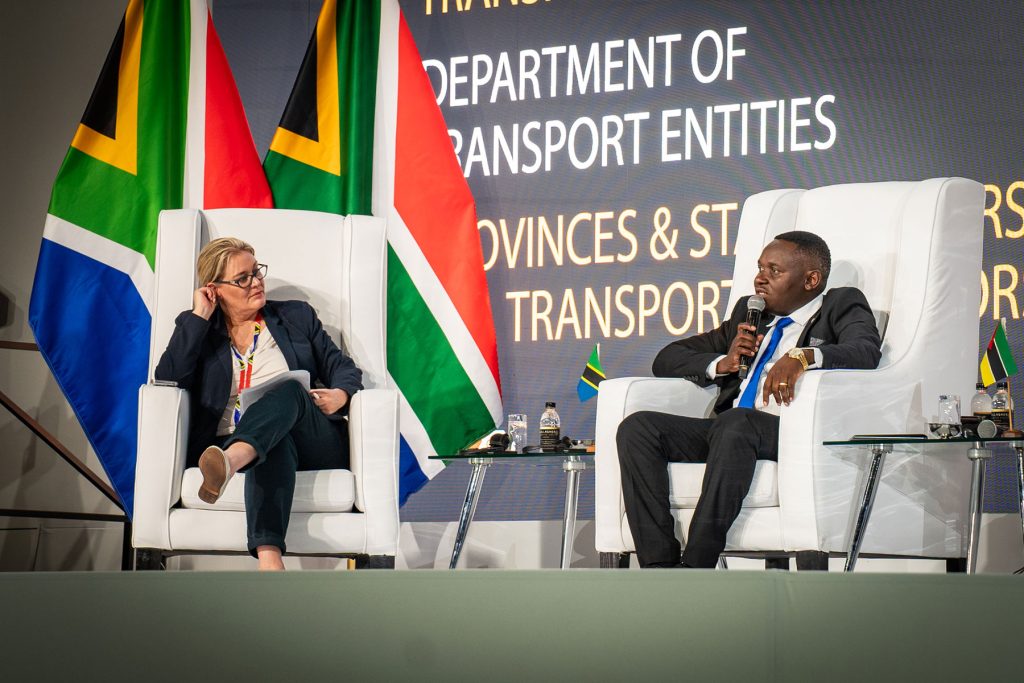
SIDE BAR:During the recent National Transport Conference, our Editor, Phillippa Dean, moderated the SADC Ministerial panel discussion on “Leadership and Governance for Transport as an Anchor for Inclusive Growth in Southern Africa.”

Transport is far more than infrastructure. Roads, railways, ports and airports connect economies, link communities to opportunity, and enable countries to participate meaningfully in regional and global trade.

Across Southern Africa, effective transport networks are central to economic development. They reduce the cost of doing business, support trade corridors, unlock rural and resource regions, and enable broader participation in economic activity.

This is not new.

Yet discussions continue to focus on how infrastructure can connect more effectively, lower the cost of doing business, strengthen competitiveness, and attract investment, often framed around private sector participation and PPPs. Implementation, however, remains slow.

Leadership provides the vision through policy, planning, and the enabling environment, while governance ensures that investments are transparent, coordinated, and aligned with long-term national and regional priorities.

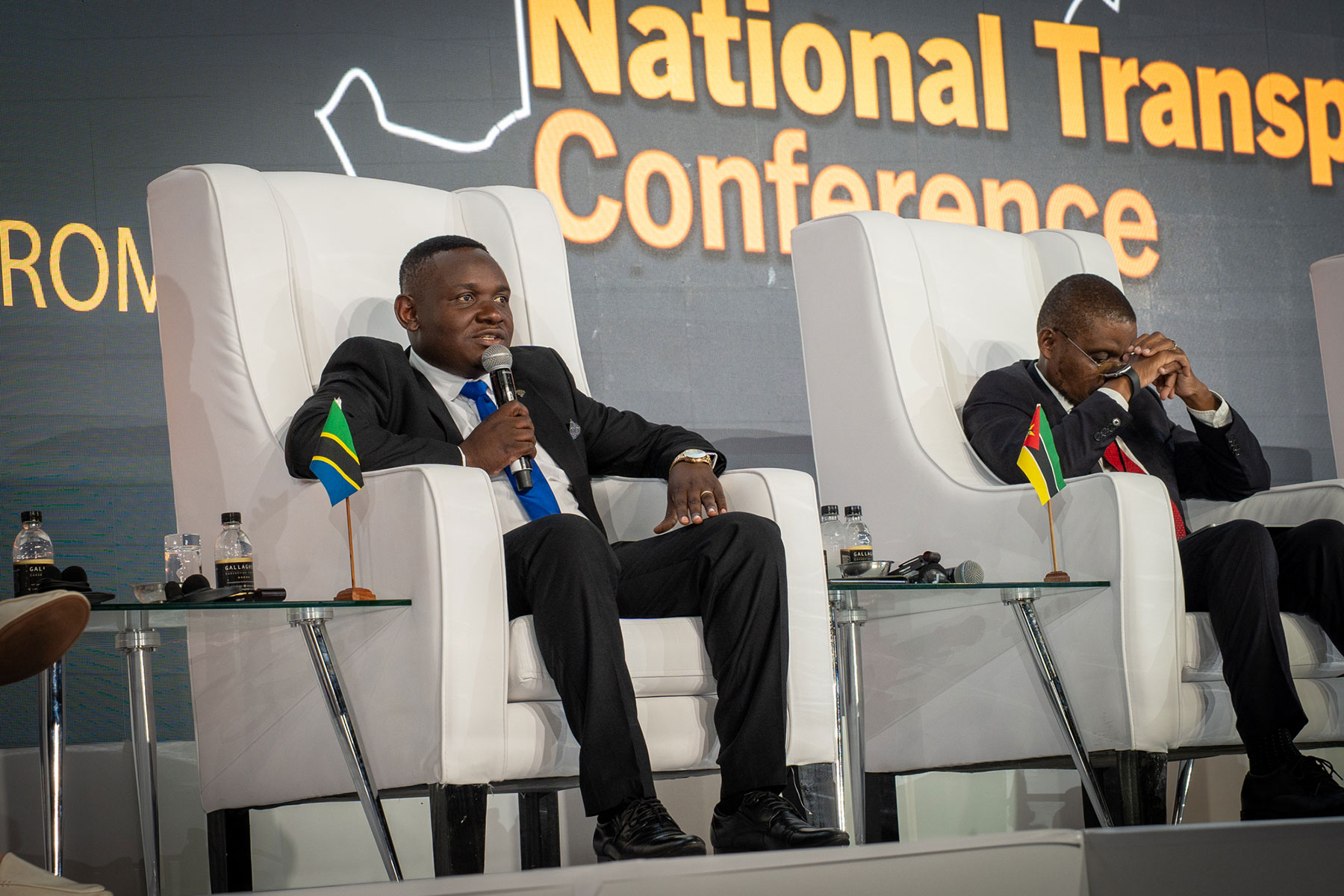
From Tanzania’s perspective, Hon. David Kihenzile, Deputy Minister of Transport, noted that leadership and governance play a significant role in the transport system.

The country is constructing approximately 2,290 kilometres of standard gauge railway, rehabilitating about 2,700 kilometres of metre gauge, and rehabilitating the Cape gauge line from Dar es Salaam to Zambia through the TAZARA Railway. Combined, this forms a network of almost 8,000 kilometres.

This requires clear vision and direction, supported by policy formulation. Leadership sets the tone and direction and must be accompanied by resource allocation. In the case of the standard gauge railway, approximately USD 15 billion has been allocated. Vision alone is not sufficient without resources.

Following resource allocation and implementation, the legal framework has been reviewed to allow open access. With such an extensive railway network, a single operator cannot manage the system alone. Private sector participation is required, including in the operation of rolling stock. This approach is intended to ensure that the network benefits not only Tanzania but also neighbouring countries, including Burundi, Zambia, the Democratic Republic of Congo, Malawi, South Sudan, and Uganda.

Tanzania’s transport network, including the port of Dar es Salaam and the TAZARA Railway, serves multiple landlocked countries and provides an alternative export corridor, including for the Democratic Republic of Congo. This places emphasis on regional policy coordination to ensure that infrastructure investments operate as an integrated system.

Policy coordination is essential given the scale of investment across SADC member states. Coordination efforts have already begun between Tanzania and neighbouring countries such as Zambia, including the establishment of one-stop border posts for customs and the introduction of cargo vehicle systems. Alignment of policies across member states is necessary, as misalignment risks undermining the value of infrastructure investments.

The impact of these investments is reflected in increased utilisation of the port of Dar es Salaam. Transit cargo has grown from approximately 5.6 million tonnes in 2021 to around 15 million tonnes, while total cargo handled has increased from approximately 17.7 million tonnes to nearly 38 million tonnes. This growth reflects both domestic use and regional demand from neighbouring countries.

To attract investment, several governance elements are required. The first is a clear national vision, including priorities such as standard gauge railway development, port modernisation, expansion of lake transport, and growth in aviation capacity. The second is strong leadership. The third is clear and predictable policies, as inconsistent policies reduce investor confidence. The fourth is having documentation in place for projects, including those not yet implemented. The fifth is compliance with required standards.

These elements have supported Tanzania in securing funding from international financial institutions, including the African Development Bank and the World Bank, as well as private sector participation through public-private partnerships. At the port of Dar es Salaam, private operators contribute resources and operational capacity.

Looking ahead, the standard gauge railway is expected to have the greatest impact on regional trade. Approximately 2,290 kilometres are under construction, connecting Tanzania with neighbouring countries. Planned developments include a northern corridor linking Tanga to Kilimanjaro and Lake Victoria, approximately 1,000 kilometres, and a southern corridor linking Lake Nyasa to the port of Mtwara, also approximately 1,000 kilometres, serving mining areas.

The standard gauge railway programme, estimated at more than USD 25 billion, is expected to strengthen the utilisation of ports, including Dar es Salaam and Mtwara, as well as future developments such as Bagamoyo Port, which is expected to handle large volumes of cargo.

Hon. David Kihenzile concluded by calling on investors to participate in the country’s transport sector, including rail, aviation and port operations, noting that the investment environment is conducive, with security and potential for returns.
Item 2

Contributor: Phillippa Dean

Leadership, Governance and Regional Coordination in Transport: Tanzania’s Perspective

SIDE BAR:During the recent National Transport Conference, our Editor, Phillippa Dean, moderated the SADC Ministerial panel discussion on “Leadership and Governance for Transport as an Anchor for Inclusive Growth in Southern Africa.”

Transport is far more than infrastructure. Roads, railways, ports and airports connect economies, link communities to opportunity, and enable countries to participate meaningfully in regional and global trade.

Across Southern Africa, effective transport networks are central to economic development. They reduce the cost of doing business, support trade corridors, unlock rural and resource regions, and enable broader participation in economic activity.

This is not new.

Yet discussions continue to focus on how infrastructure can connect more effectively, lower the cost of doing business, strengthen competitiveness, and attract investment, often framed around private sector participation and PPPs. Implementation, however, remains slow.

Leadership provides the vision through policy, planning, and the enabling environment, while governance ensures that investments are transparent, coordinated, and aligned with long-term national and regional priorities.

From Tanzania’s perspective, Hon. David Kihenzile, Deputy Minister of Transport, noted that leadership and governance play a significant role in the transport system.

The country is constructing approximately 2,290 kilometres of standard gauge railway, rehabilitating about 2,700 kilometres of metre gauge, and rehabilitating the Cape gauge line from Dar es Salaam to Zambia through the TAZARA Railway. Combined, this forms a network of almost 8,000 kilometres.

This requires clear vision and direction, supported by policy formulation. Leadership sets the tone and direction and must be accompanied by resource allocation. In the case of the standard gauge railway, approximately USD 15 billion has been allocated. Vision alone is not sufficient without resources.

Following resource allocation and implementation, the legal framework has been reviewed to allow open access. With such an extensive railway network, a single operator cannot manage the system alone. Private sector participation is required, including in the operation of rolling stock. This approach is intended to ensure that the network benefits not only Tanzania but also neighbouring countries, including Burundi, Zambia, the Democratic Republic of Congo, Malawi, South Sudan, and Uganda.

Tanzania’s transport network, including the port of Dar es Salaam and the TAZARA Railway, serves multiple landlocked countries and provides an alternative export corridor, including for the Democratic Republic of Congo. This places emphasis on regional policy coordination to ensure that infrastructure investments operate as an integrated system.

Policy coordination is essential given the scale of investment across SADC member states. Coordination efforts have already begun between Tanzania and neighbouring countries such as Zambia, including the establishment of one-stop border posts for customs and the introduction of cargo vehicle systems. Alignment of policies across member states is necessary, as misalignment risks undermining the value of infrastructure investments.

The impact of these investments is reflected in increased utilisation of the port of Dar es Salaam. Transit cargo has grown from approximately 5.6 million tonnes in 2021 to around 15 million tonnes, while total cargo handled has increased from approximately 17.7 million tonnes to nearly 38 million tonnes. This growth reflects both domestic use and regional demand from neighbouring countries.

To attract investment, several governance elements are required. The first is a clear national vision, including priorities such as standard gauge railway development, port modernisation, expansion of lake transport, and growth in aviation capacity. The second is strong leadership. The third is clear and predictable policies, as inconsistent policies reduce investor confidence. The fourth is having documentation in place for projects, including those not yet implemented. The fifth is compliance with required standards.

These elements have supported Tanzania in securing funding from international financial institutions, including the African Development Bank and the World Bank, as well as private sector participation through public-private partnerships. At the port of Dar es Salaam, private operators contribute resources and operational capacity.

Looking ahead, the standard gauge railway is expected to have the greatest impact on regional trade. Approximately 2,290 kilometres are under construction, connecting Tanzania with neighbouring countries. Planned developments include a northern corridor linking Tanga to Kilimanjaro and Lake Victoria, approximately 1,000 kilometres, and a southern corridor linking Lake Nyasa to the port of Mtwara, also approximately 1,000 kilometres, serving mining areas.

The standard gauge railway programme, estimated at more than USD 25 billion, is expected to strengthen the utilisation of ports, including Dar es Salaam and Mtwara, as well as future developments such as Bagamoyo Port, which is expected to handle large volumes of cargo.

Hon. David Kihenzile concluded by calling on investors to participate in the country’s transport sector, including rail, aviation and port operations, noting that the investment environment is conducive, with security and potential for returns.

Web

Content Visibility:

SEO Title
Tanzania Transport Strategy: SGR Investment, Regional Corridors, and Open Access Reform
SEO Description
Tanzania outlines its transport strategy, including SGR investment, open access rail reform, and regional corridor integration, driving trade through Dar es Salaam and TAZARA.
SEO Keywords


SEO Keyphrase
  • Finance & Investment
  • Freight & Logistics
  • Infrastructure
  • Open Access
  • Passenger Rail
  • Policy & Legislation
  • Port Infrastructure
  • Port Operations
  • PPP- Public Private Partnership
  • Railway Infrastructure
  • Rolling Stock
  • Transport Infrastructure
  • Tanzania
Item 2

Department of transport South Africa – i cant find socil media for there platforms

https://www.railwaysafrica.com/news/leadership-governance-and-regional-coordination-in-transport-tanzanias-perspective

At the National Transport Conference, Railways Africa Editor Phillippa Dean moderated the SADC Ministerial panel on “Leadership and Governance for Transport as an Anchor for Inclusive Growth in Southern Africa.”

From Tanzania’s perspective, Hon. David Kihenzile, Deputy Minister of Transport, emphasised that leadership, governance, and resource allocation are central to delivering large-scale transport infrastructure.

With 2,290 km of standard gauge railway under construction, 2,700 km of metre gauge under rehabilitation, and continued development of the TAZARA Railway, Tanzania is building an integrated rail network of nearly 8,000 km.

Find out more here:

#Tanzania #SGR #TransportDevelopment #RailDevelopment #TAZARA #DarEsSalaamPort #Logistics #Infrastructure #SADC #RegionalIntegration #Trade #AfricaInfrastructure #RailwaysAfrica

Item 2

Contributor: Phillippa Dean

Leadership, Governance and Regional Coordination in Transport: Tanzania’s Perspective

SIDE BAR:During the recent National Transport Conference, our Editor, Phillippa Dean, moderated the SADC Ministerial panel discussion on “Leadership and Governance for Transport as an Anchor for Inclusive Growth in Southern Africa.”

Transport is far more than infrastructure. Roads, railways, ports and airports connect economies, link communities to opportunity, and enable countries to participate meaningfully in regional and global trade.

Across Southern Africa, effective transport networks are central to economic development. They reduce the cost of doing business, support trade corridors, unlock rural and resource regions, and enable broader participation in economic activity.

This is not new.

Yet discussions continue to focus on how infrastructure can connect more effectively, lower the cost of doing business, strengthen competitiveness, and attract investment, often framed around private sector participation and PPPs. Implementation, however, remains slow.

Leadership provides the vision through policy, planning, and the enabling environment, while governance ensures that investments are transparent, coordinated, and aligned with long-term national and regional priorities.

From Tanzania’s perspective, Hon. David Kihenzile, Deputy Minister of Transport, noted that leadership and governance play a significant role in the transport system.

The country is constructing approximately 2,290 kilometres of standard gauge railway, rehabilitating about 2,700 kilometres of metre gauge, and rehabilitating the Cape gauge line from Dar es Salaam to Zambia through the TAZARA Railway. Combined, this forms a network of almost 8,000 kilometres.

This requires clear vision and direction, supported by policy formulation. Leadership sets the tone and direction and must be accompanied by resource allocation. In the case of the standard gauge railway, approximately USD 15 billion has been allocated. Vision alone is not sufficient without resources.

Following resource allocation and implementation, the legal framework has been reviewed to allow open access. With such an extensive railway network, a single operator cannot manage the system alone. Private sector participation is required, including in the operation of rolling stock. This approach is intended to ensure that the network benefits not only Tanzania but also neighbouring countries, including Burundi, Zambia, the Democratic Republic of Congo, Malawi, South Sudan, and Uganda.

Tanzania’s transport network, including the port of Dar es Salaam and the TAZARA Railway, serves multiple landlocked countries and provides an alternative export corridor, including for the Democratic Republic of Congo. This places emphasis on regional policy coordination to ensure that infrastructure investments operate as an integrated system.

Policy coordination is essential given the scale of investment across SADC member states. Coordination efforts have already begun between Tanzania and neighbouring countries such as Zambia, including the establishment of one-stop border posts for customs and the introduction of cargo vehicle systems. Alignment of policies across member states is necessary, as misalignment risks undermining the value of infrastructure investments.

The impact of these investments is reflected in increased utilisation of the port of Dar es Salaam. Transit cargo has grown from approximately 5.6 million tonnes in 2021 to around 15 million tonnes, while total cargo handled has increased from approximately 17.7 million tonnes to nearly 38 million tonnes. This growth reflects both domestic use and regional demand from neighbouring countries.

To attract investment, several governance elements are required. The first is a clear national vision, including priorities such as standard gauge railway development, port modernisation, expansion of lake transport, and growth in aviation capacity. The second is strong leadership. The third is clear and predictable policies, as inconsistent policies reduce investor confidence. The fourth is having documentation in place for projects, including those not yet implemented. The fifth is compliance with required standards.

These elements have supported Tanzania in securing funding from international financial institutions, including the African Development Bank and the World Bank, as well as private sector participation through public-private partnerships. At the port of Dar es Salaam, private operators contribute resources and operational capacity.

Looking ahead, the standard gauge railway is expected to have the greatest impact on regional trade. Approximately 2,290 kilometres are under construction, connecting Tanzania with neighbouring countries. Planned developments include a northern corridor linking Tanga to Kilimanjaro and Lake Victoria, approximately 1,000 kilometres, and a southern corridor linking Lake Nyasa to the port of Mtwara, also approximately 1,000 kilometres, serving mining areas.

The standard gauge railway programme, estimated at more than USD 25 billion, is expected to strengthen the utilisation of ports, including Dar es Salaam and Mtwara, as well as future developments such as Bagamoyo Port, which is expected to handle large volumes of cargo.

Hon. David Kihenzile concluded by calling on investors to participate in the country’s transport sector, including rail, aviation and port operations, noting that the investment environment is conducive, with security and potential for returns.

Print

Magazine Section

Africa Update

Instructions

Craig, you have pic