Week: 2026 – 07Print Edition:Edit Article
  • 10. Completed
Item 1

Investing in Skills to Power Rail Recovery

By James Holley, CEO of Traxtion

 After years of constrained capacity and complex operating conditions, freight rail is back in focus. Reform, private-sector participation, and long-term investment are reshaping the conversation. Infrastructure and capital rightly take centre stage, but they are not the full solution. Rail recovery will ultimately be determined by the people who operate, maintain, and manage the system every day.

Rail remains one of the most efficient ways to move bulk freight at scale. Yet South Africa moves significantly less freight by rail than it did two decades ago. The result is pressure on road networks, higher logistics costs, and weakened competitiveness. Reversing this decline matters for economic growth. But infrastructure without skills will not deliver a sustainable turnaround. Capital investment and human capital development must move together if rail is to deliver lasting value.

Training as a foundation for reliability

Rail is a precision industry. Safety, reliability, and performance depend on decisions made at every level of an operation. Global experience shows that well-trained workforces reduce incidents, improve asset availability, and enable consistent service delivery. South Africa faces a shortage of experienced rail artisans, technicians, and drivers, shaped by years of constrained training pipelines and an ageing skills base. As rail capacity begins to expand again, this gap must be addressed deliberately and at scale.

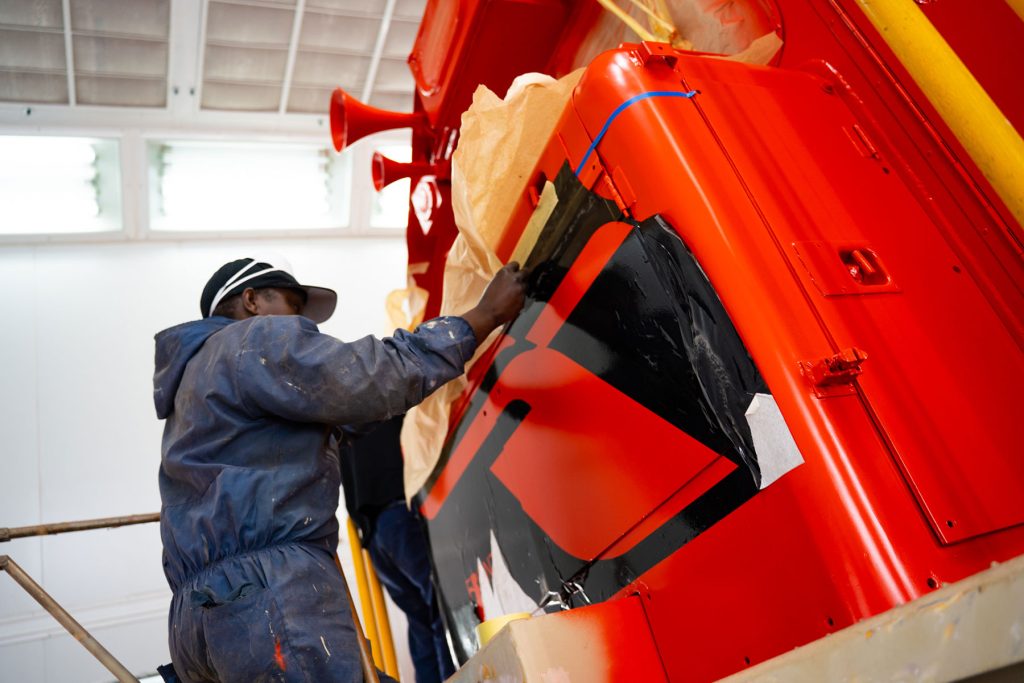
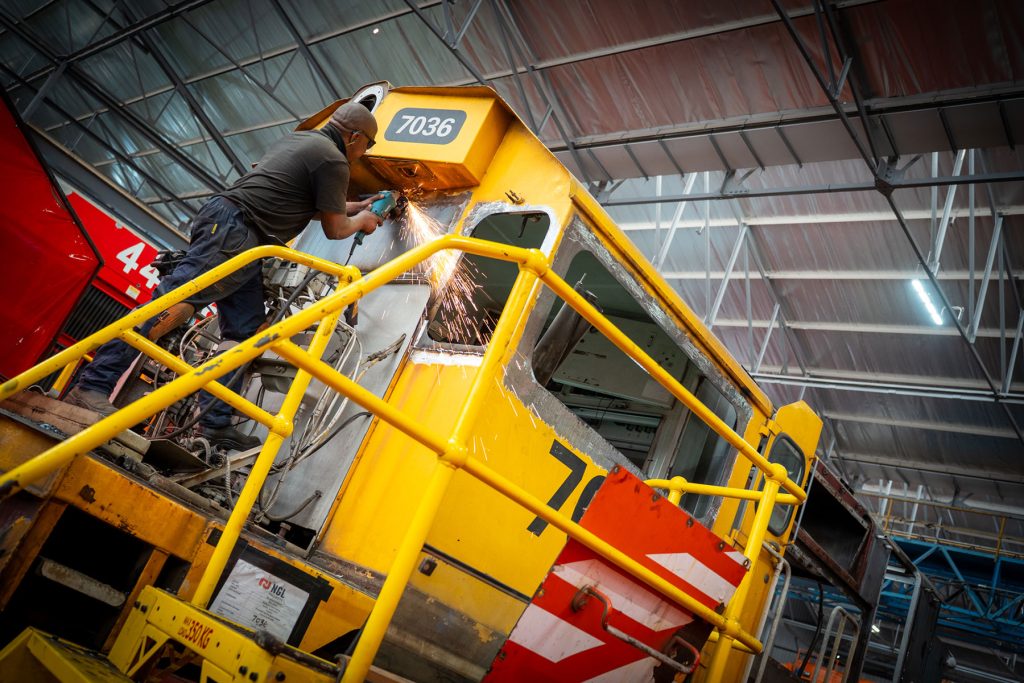
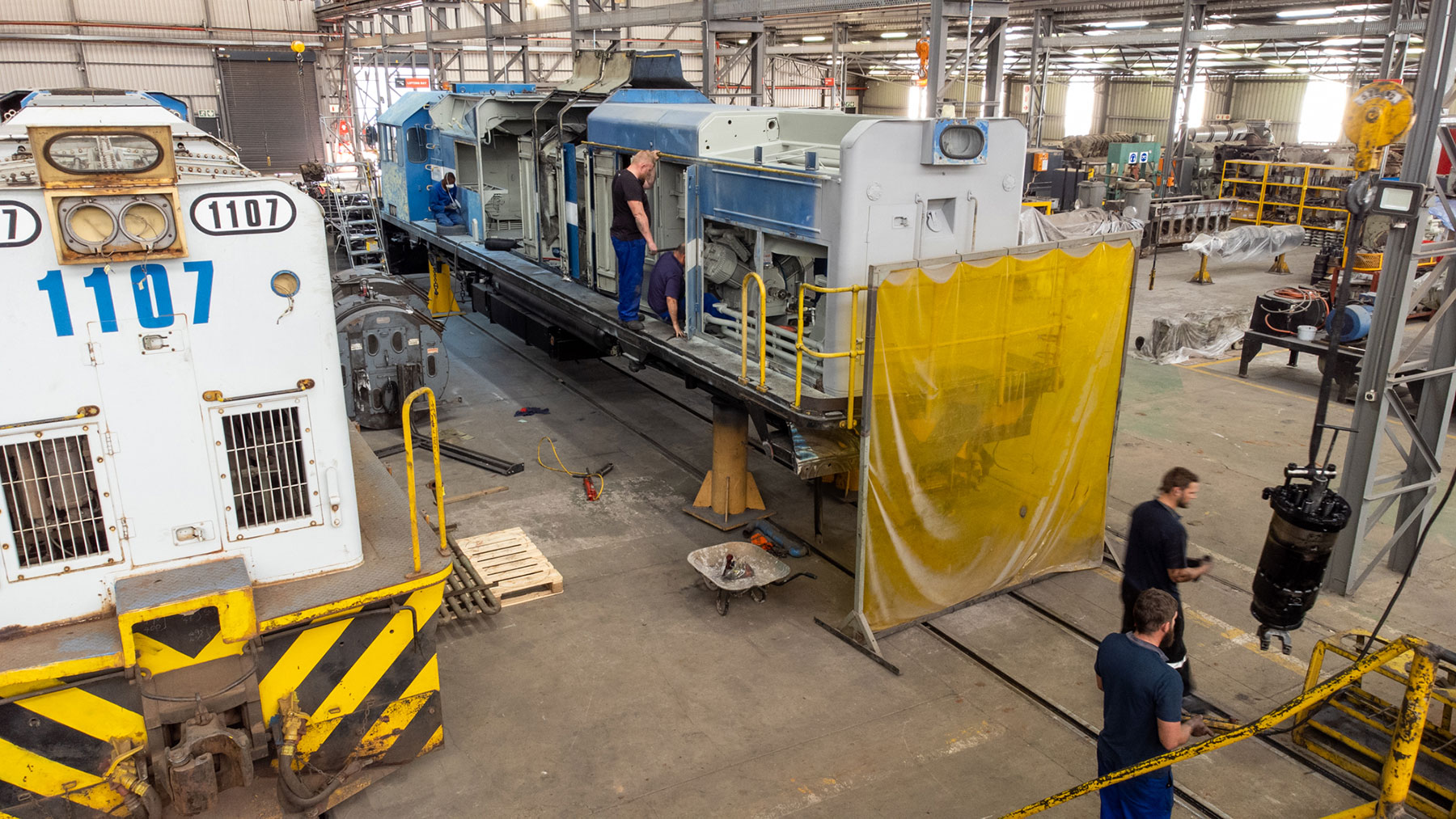
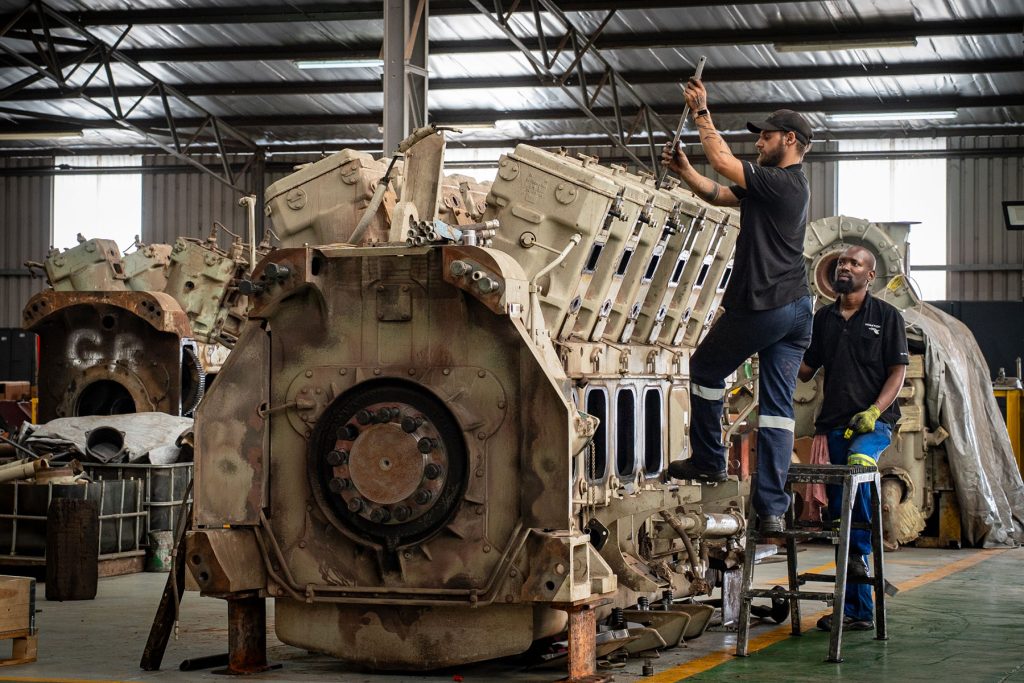
Hands-on operational training that reflects real-world conditions is central to this effort. Competencies across locomotive maintenance, operations, safety systems, and planning disciplines are developed continuously, evolving alongside technology, standards, and operating environments. In 2024 alone, Traxtion completed training programmes for 120 rail personnel across a range of technical and operational roles. This supports safer operations today while building the skills base required for future growth.

The role of accredited education

Training delivers its greatest impact when supported by accredited education. Without formal recognition, skills remain fragmented and undervalued, limiting both career progression and sector-wide resilience.

Accredited education creates structure and mobility. Rail professionals build recognised qualifications aligned with national standards, opening pathways for long-term careers rather than short-term roles. This professionalisation strengthens the industry and improves its ability to attract and retain talent.

Supporting accredited learning pathways that connect practical workplace experience with nationally recognised qualifications helps ensure that skills developed on the job translate into lasting economic value for individuals and for the broader logistics ecosystem.

In a country where youth unemployment (15-24 years) remains above 58%, this approach matters. Rail has the potential to provide skilled, meaningful employment at scale. Realising that potential depends on education pathways that combine theory, practice, and formal accreditation.

Scaling skills alongside growth

As private-sector participation in rail increases, workforce scalability becomes a defining challenge. Every new locomotive deployed requires trained drivers, technicians, planners, and safety personnel. Expanding assets without expanding skills introduces risk and undermines confidence.

A workforce strategy aligned with growth trajectories ensures expansion remains structured and sustainable. Embedding training and accredited education into investment models allows capacity to grow without compromising safety, performance, or reliability. The result is skilled job creation that supports long-term economic participation and resilience.

Broadening the definition of infrastructure

As South Africa rebuilds its logistics backbone, it is time to broaden how we think about infrastructure. Tracks and locomotives are visible investments. Skills are less visible, but equally critical to system performance. Investment decisions must account not only for rolling stock and capital, but also for training hours, accredited qualifications, and long-term skills pipelines.

The future of rail is not only about moving freight more efficiently. It is about restoring confidence, professionalism, and pride in a system that supports economic growth.

And that future begins with people.
Item 2

Contributor:

Investing in Skills to Power Rail Recovery

By James Holley, CEO of Traxtion

 After years of constrained capacity and complex operating conditions, freight rail is back in focus. Reform, private-sector participation, and long-term investment are reshaping the conversation. Infrastructure and capital rightly take centre stage, but they are not the full solution. Rail recovery will ultimately be determined by the people who operate, maintain, and manage the system every day.

Rail remains one of the most efficient ways to move bulk freight at scale. Yet South Africa moves significantly less freight by rail than it did two decades ago. The result is pressure on road networks, higher logistics costs, and weakened competitiveness. Reversing this decline matters for economic growth. But infrastructure without skills will not deliver a sustainable turnaround. Capital investment and human capital development must move together if rail is to deliver lasting value.

Training as a foundation for reliability

Rail is a precision industry. Safety, reliability, and performance depend on decisions made at every level of an operation. Global experience shows that well-trained workforces reduce incidents, improve asset availability, and enable consistent service delivery. South Africa faces a shortage of experienced rail artisans, technicians, and drivers, shaped by years of constrained training pipelines and an ageing skills base. As rail capacity begins to expand again, this gap must be addressed deliberately and at scale.

Hands-on operational training that reflects real-world conditions is central to this effort. Competencies across locomotive maintenance, operations, safety systems, and planning disciplines are developed continuously, evolving alongside technology, standards, and operating environments. In 2024 alone, Traxtion completed training programmes for 120 rail personnel across a range of technical and operational roles. This supports safer operations today while building the skills base required for future growth.

The role of accredited education

Training delivers its greatest impact when supported by accredited education. Without formal recognition, skills remain fragmented and undervalued, limiting both career progression and sector-wide resilience.

Accredited education creates structure and mobility. Rail professionals build recognised qualifications aligned with national standards, opening pathways for long-term careers rather than short-term roles. This professionalisation strengthens the industry and improves its ability to attract and retain talent.

Supporting accredited learning pathways that connect practical workplace experience with nationally recognised qualifications helps ensure that skills developed on the job translate into lasting economic value for individuals and for the broader logistics ecosystem.

In a country where youth unemployment (15-24 years) remains above 58%, this approach matters. Rail has the potential to provide skilled, meaningful employment at scale. Realising that potential depends on education pathways that combine theory, practice, and formal accreditation.

Scaling skills alongside growth

As private-sector participation in rail increases, workforce scalability becomes a defining challenge. Every new locomotive deployed requires trained drivers, technicians, planners, and safety personnel. Expanding assets without expanding skills introduces risk and undermines confidence.

A workforce strategy aligned with growth trajectories ensures expansion remains structured and sustainable. Embedding training and accredited education into investment models allows capacity to grow without compromising safety, performance, or reliability. The result is skilled job creation that supports long-term economic participation and resilience.

Broadening the definition of infrastructure

As South Africa rebuilds its logistics backbone, it is time to broaden how we think about infrastructure. Tracks and locomotives are visible investments. Skills are less visible, but equally critical to system performance. Investment decisions must account not only for rolling stock and capital, but also for training hours, accredited qualifications, and long-term skills pipelines.

The future of rail is not only about moving freight more efficiently. It is about restoring confidence, professionalism, and pride in a system that supports economic growth.

And that future begins with people.
Web

Content Visibility:

SEO Title
Investing in Skills to Power Rail Recovery and Long-Term Logistics Resilience
SEO Description
Traxtion CEO James Holley argues rail recovery depends on skills development, accredited training and workforce scalability alongside infrastructure investment.
SEO Keywords


SEO Keyphrase
  • Freight & Logistics
  • Skills Development
  • South Africa
Item 2

Tag James Holley and Traxtion on all platforms

https://www.railwaysafrica.com/news/investing-in-skills-to-power-rail-recovery

Freight rail reform is accelerating. Infrastructure and capital are essential, but they are not enough.

In this opinion piece, James Holley, CEO of Traxtion, notes that rail recovery will ultimately depend on accredited training, operational competence and scalable workforce development aligned with private-sector growth.

Without skilled drivers, technicians and artisans, expanded rail capacity cannot deliver reliability, safety or long-term competitiveness.

Read the full article:

#RailRecovery #FreightRail #RailReform #SkillsDevelopment #Logistics #InfrastructureInvestment #WorkforceStrategy #SouthAfrica #RailIndustry

Item 2

Contributor:

Investing in Skills to Power Rail Recovery

By James Holley, CEO of Traxtion

 After years of constrained capacity and complex operating conditions, freight rail is back in focus. Reform, private-sector participation, and long-term investment are reshaping the conversation. Infrastructure and capital rightly take centre stage, but they are not the full solution. Rail recovery will ultimately be determined by the people who operate, maintain, and manage the system every day.

Rail remains one of the most efficient ways to move bulk freight at scale. Yet South Africa moves significantly less freight by rail than it did two decades ago. The result is pressure on road networks, higher logistics costs, and weakened competitiveness. Reversing this decline matters for economic growth. But infrastructure without skills will not deliver a sustainable turnaround. Capital investment and human capital development must move together if rail is to deliver lasting value.

Training as a foundation for reliability

Rail is a precision industry. Safety, reliability, and performance depend on decisions made at every level of an operation. Global experience shows that well-trained workforces reduce incidents, improve asset availability, and enable consistent service delivery. South Africa faces a shortage of experienced rail artisans, technicians, and drivers, shaped by years of constrained training pipelines and an ageing skills base. As rail capacity begins to expand again, this gap must be addressed deliberately and at scale.

Hands-on operational training that reflects real-world conditions is central to this effort. Competencies across locomotive maintenance, operations, safety systems, and planning disciplines are developed continuously, evolving alongside technology, standards, and operating environments. In 2024 alone, Traxtion completed training programmes for 120 rail personnel across a range of technical and operational roles. This supports safer operations today while building the skills base required for future growth.

The role of accredited education

Training delivers its greatest impact when supported by accredited education. Without formal recognition, skills remain fragmented and undervalued, limiting both career progression and sector-wide resilience.

Accredited education creates structure and mobility. Rail professionals build recognised qualifications aligned with national standards, opening pathways for long-term careers rather than short-term roles. This professionalisation strengthens the industry and improves its ability to attract and retain talent.

Supporting accredited learning pathways that connect practical workplace experience with nationally recognised qualifications helps ensure that skills developed on the job translate into lasting economic value for individuals and for the broader logistics ecosystem.

In a country where youth unemployment (15-24 years) remains above 58%, this approach matters. Rail has the potential to provide skilled, meaningful employment at scale. Realising that potential depends on education pathways that combine theory, practice, and formal accreditation.

Scaling skills alongside growth

As private-sector participation in rail increases, workforce scalability becomes a defining challenge. Every new locomotive deployed requires trained drivers, technicians, planners, and safety personnel. Expanding assets without expanding skills introduces risk and undermines confidence.

A workforce strategy aligned with growth trajectories ensures expansion remains structured and sustainable. Embedding training and accredited education into investment models allows capacity to grow without compromising safety, performance, or reliability. The result is skilled job creation that supports long-term economic participation and resilience.

Broadening the definition of infrastructure

As South Africa rebuilds its logistics backbone, it is time to broaden how we think about infrastructure. Tracks and locomotives are visible investments. Skills are less visible, but equally critical to system performance. Investment decisions must account not only for rolling stock and capital, but also for training hours, accredited qualifications, and long-term skills pipelines.

The future of rail is not only about moving freight more efficiently. It is about restoring confidence, professionalism, and pride in a system that supports economic growth.

And that future begins with people.
Print

Magazine Section

Africa Update

Instructions

Traxtion

Traxtion

Traxtion

Traxtion