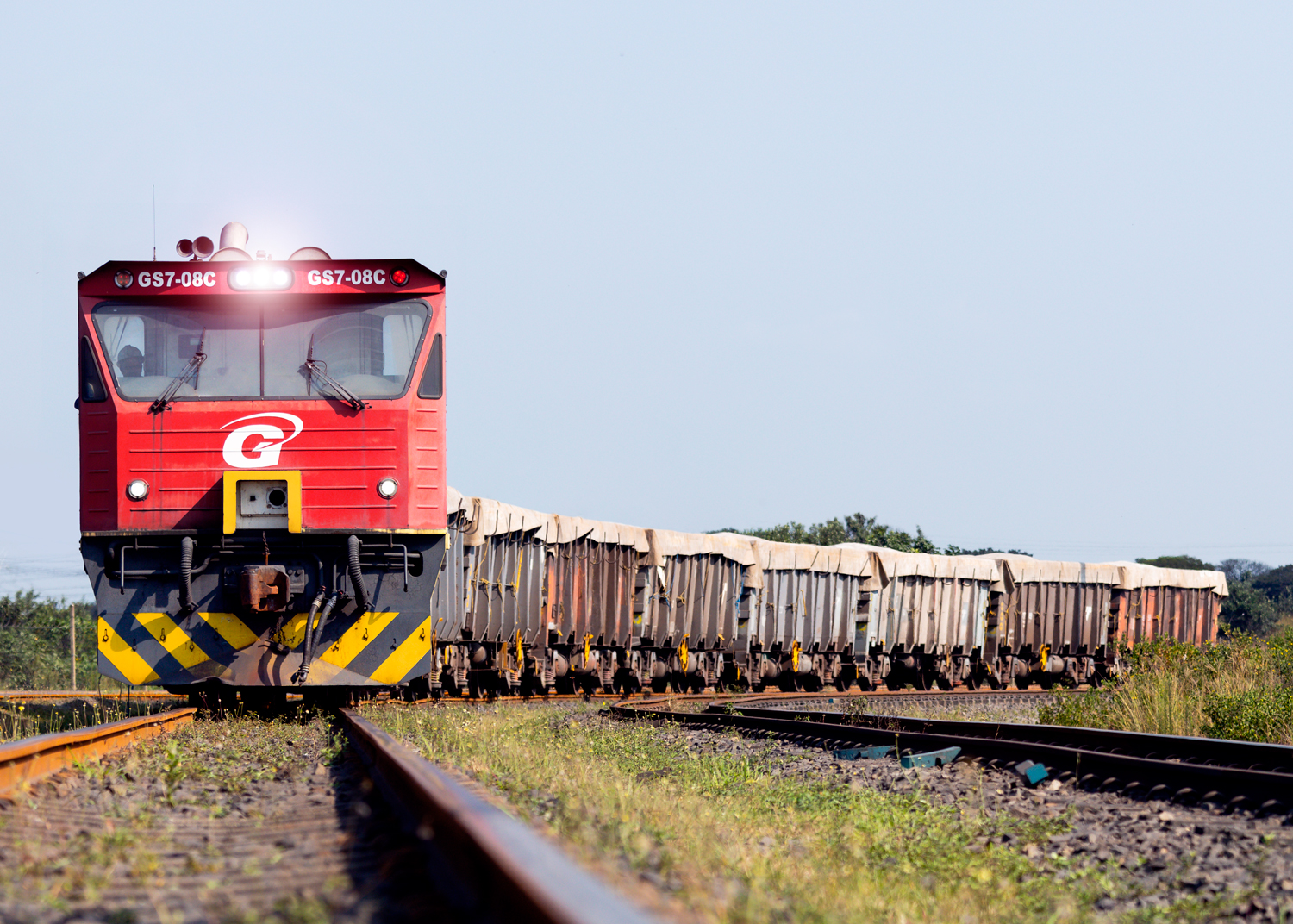
Grindrod Rail CEO Advocates For Rail Privatisation
African rail operators are confronted with several challenges, foremost among them being the lack of rolling stock. Additionally, these challenges encompass a backlog of infrastructure investment, competition for expertise, delays in decision-making and implementation, and a deficiency in strategic planning.
Johny Smith, CEO of Grindrod Rail, highlighted factors contributing to the decline in rail transport, citing increased competition from more advanced modes of transportation. Other contributing factors include industry structure and development, management response to customer needs and market opportunities, as well as outdated technology and ageing rolling stock.
“A shift away from bulk commodities to high-value commodities has intensified the demand for timely and quality delivery,” remarked Smith.
Smith shared these insights at the Intermodal Africa Conference, held from February 27th to 29th in Swakopmund, Namibia, and co-hosted by the Namibian Ports Authority. The conference addressed various topics, including trends in intermodal transportation, port development, infrastructure, and supply chain optimization.
Smith advocated for rail privatisation, citing its potential benefits such as railway viability, regional economic development, competitiveness and job creation. He also highlighted the advantages of rail transport, including alleviating road congestion, reducing emissions, minimising road maintenance, enhancing road safety and mitigating social costs like accidents.
Reflecting on lessons learned from railway concessions in Africa, Smith underscored the inconsistency in government policies, which prioritise road infrastructure over railways despite awarding rail concession contracts. He emphasized the need for extensive upgrades and investment in existing rail infrastructure to support commercial exploitation adequately.
Furthermore, Smith noted that railway concessions have exposed inefficiencies in African railways, including ageing rolling stock, a lack of skills renewal in human resources, and susceptibility to political conflicts and natural disasters damaging existing lines.
Smith recommended prioritising brownfield projects (existing networks) over greenfield projects and prioritizing freight and urban/suburban passengers in major metropolises over medium and long-distance passenger services. He emphasized keeping freight and passenger operating businesses separate due to their differing characteristics and levels of engagement by the public sector.
Offering a long-term perspective on rail, Smith emphasized the importance of integrating rail into long-term transport plans and ensuring that upgrades accommodate longer, safer and heavier trains.
Recent investments in rail infrastructure in southern Africa include the Lobito Corridor (US$480 million), the rehabilitation of the Tazara Railway (US$1 billion), and the Tanzania-Burundi SGR (US$4 billion).
By Chamwe Kaira