CFM Advances Limpopo Rail Recovery and Expansion
In a context of consolidating economic recovery and redefining development priorities, the Government, through the Mozambique Ports and Railways Company (CFM), hosted on Friday the Conference and Intermediate Meeting of the Association of Ports of Portuguese-Speaking Countries (APLOP), under the theme “Ports, Driving Force of the Blue Economy”.
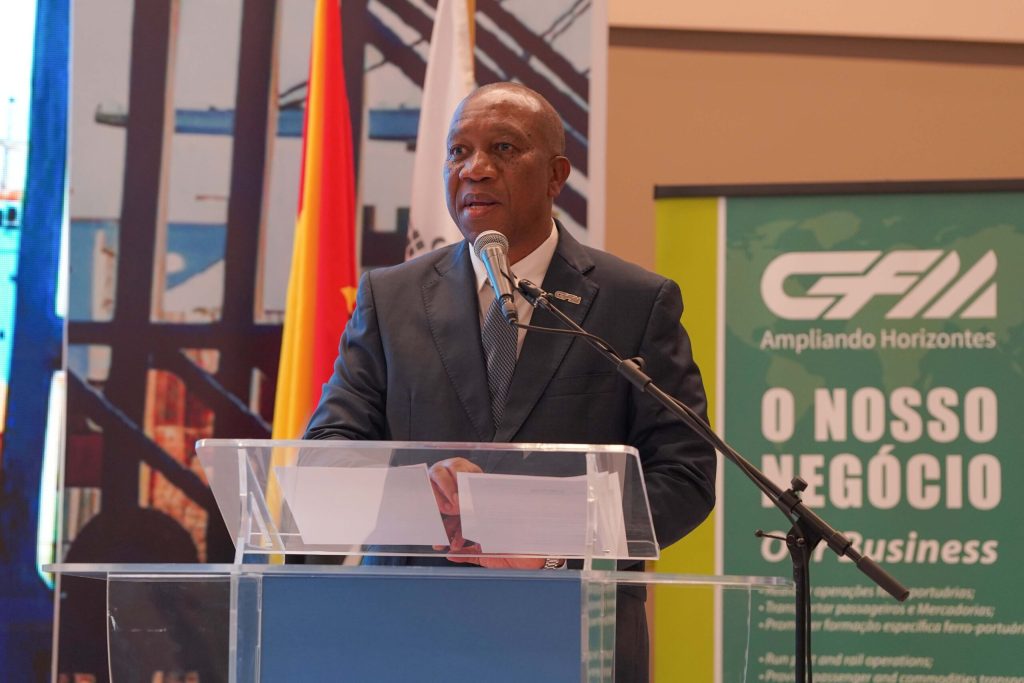
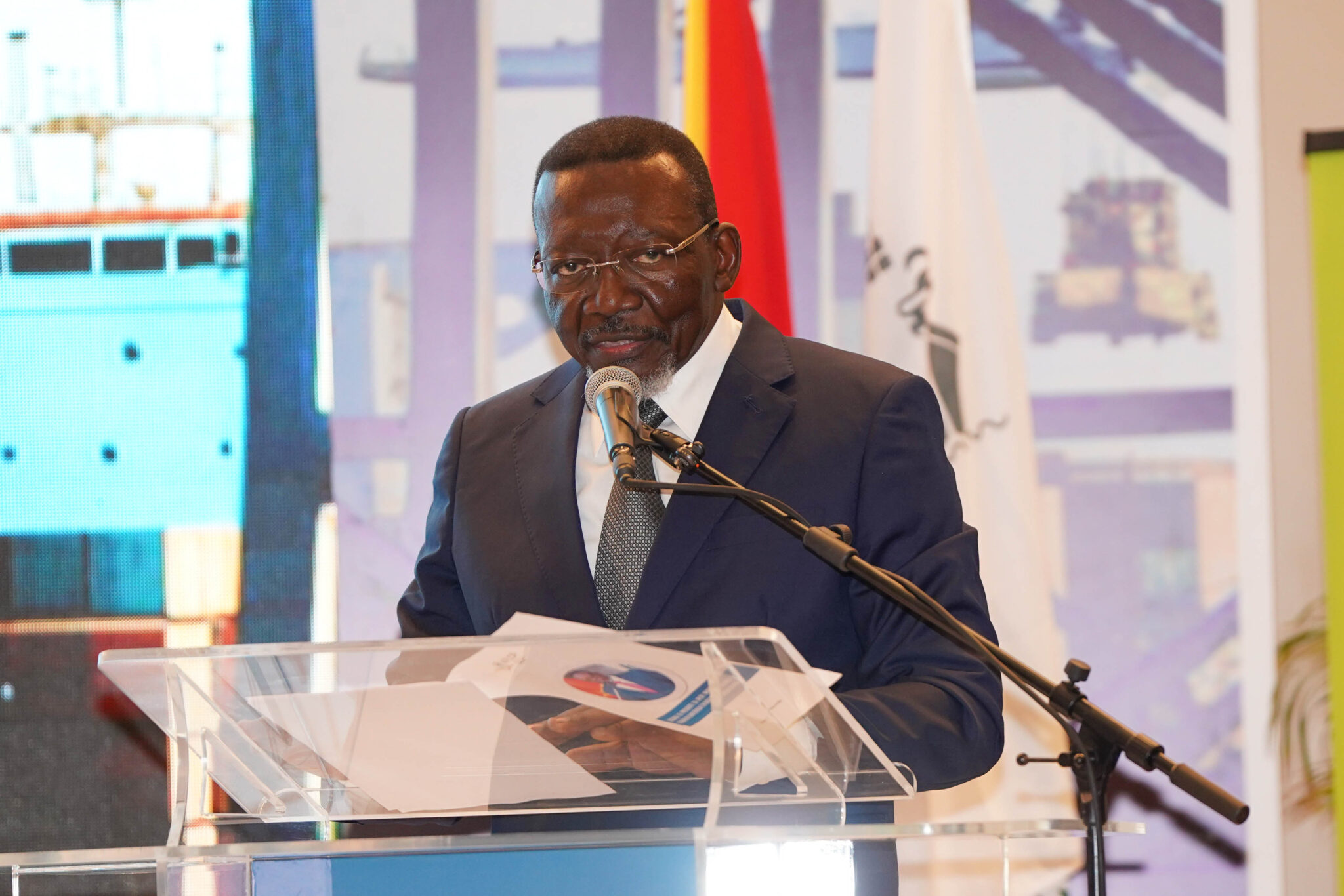
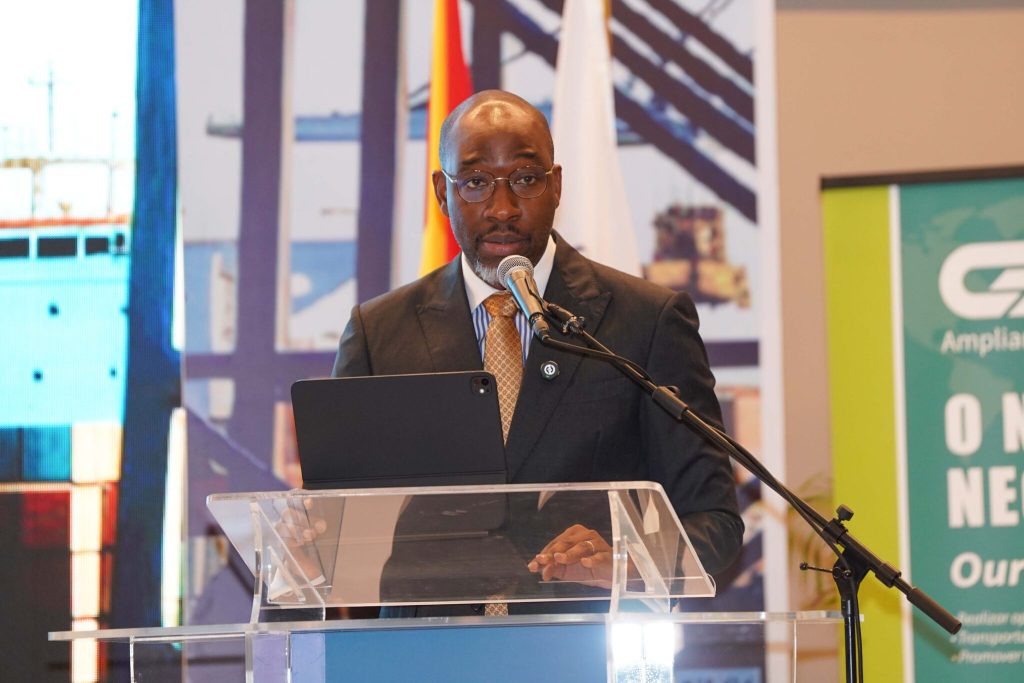
At the opening of the event, the Chairman of the Board of Directors of CFM, Agostinho Langa Júnior, announced a budget revision aimed at redirecting funds to prioritise the recovery of the Limpopo Line, destroyed by the January floods, and assured that the expansion and modernisation works on the Ressano Garcia line would begin next June. In turn, the Minister of Transport and Logistics, João Matlombe, highlighted that the Government’s commitment involves valuing marine resources, modernising port infrastructure, and building more efficient and resilient logistics chains.
“Hosting this event means, for us, not only an increased responsibility, but also an opportunity to allow the exchange of experiences between our Mozambican professionals and those from port institutions in CPLP countries and, through this, consolidate our cooperation in the various areas of port management, in light of the higher guidelines of our governments,” said Agostinho Langa Júnior.
Speaking at the opening of the event, which was attended by members from Angola, Brazil, Cape Verde, Mozambique and Portugal, as well as representatives from the maritime and rail-port regulators of Mozambique, joined by staff from CFM, the Maputo Port Development Company (MPDC), Portos do Norte, Cornelder, CFM Logistic and other guests interested in the area of port logistics, the Chairman of the Board of Directors of CFM highlighted the impact of the floods and rains recorded in January in the southern region of the country. These storms caused estimated damages of 40 million US dollars due to the destruction of infrastructure. “Our forecast was to complete the repairs by the 17th of this month, but the new estimate points to mid-April,” revealed Agostinho Langa Júnior.
Currently, the line operates with only four trains per day, which is causing losses in the transport of goods from Zimbabwe and passengers to Chicualacuala, in Gaza province.
“We will have to review our budget and redirect the application of some funds to focus on the Limpopo Line,” said the Chairman of the Board of Directors of CFM.
In addition to the Limpopo Line, the Chairman of the Board announced that work on the second phase of the Ressano Garcia Line, which is currently under preparation, will begin in June.
“We are currently finalising the tender for the hiring of a consultant who will develop the project. We expect that by around June or July, we will have the contractor hired to move forward. This is a project that should last about two years,” he added.
The Chairman of the Board of Directors of CFM also highlighted that “our railway infrastructure cannot be implemented in very uneven areas. As you should know, this requires, in fact, coordination with the Ministry of Public Works and other entities linked to disaster management,” defending the importance of institutional coordination.
Implementing the Blue Economy as a strategy to promote opportunities and economic growth.
In turn, the Minister of Transport and Logistics, João Matlombe, stated that Mozambique has placed the blue economy, within the framework of diversification, at the centre of its strategy to accelerate sustainable growth, create jobs, and strengthen regional integration.
According to the minister, the strategy seeks to reduce dependence on traditional sectors and focuses on new ocean resources, which have been little explored until now. João Matlombe also stressed that “it is in this context that the blue economy, characterised by immense marine resources, assumes a central and strategic role for our country,” hence the Government seeks to transform this potential into real wealth, through the enhancement of sectors such as fisheries, tourism and marine energy. At the same time, he added, the aim is to improve the management of natural resources as a way to guarantee lasting benefits for future generations.
Beyond economic growth, the blue economy is a matter of social inclusion, considering that efficient and sustainable operations will directly benefit populations through job creation, identified as one of the main objectives. “The blue economy represents employment, social inclusion, and dignity. To this end, the Government places ports and logistics at the heart of the blue economy, and the CFM company is called upon to operationalise this strategic vision,” stated the government official.
“These infrastructures are essential for the functioning of the economy, for boosting trade and, at the same time, contribute to regional integration,” he pointed out. Furthermore, logistical efficiency is seen as a factor of competitiveness, and João Matlombe stated that the Government is committed to the continuous modernisation of the port sector.
“Every port we modernise, every logistics chain we strengthen, every connection we establish is not measured solely by economic indicators, because the development of the port sector translates not only into economic gains, but also into the creation of concrete opportunities for our citizens,” he said.
Furthermore, “it is measured by the lives we transform and the families that find new perspectives,” the minister emphasised.