Week: 2026 – 15Print Edition:Edit Article
  • 10. Completed
Item 1

Bridging Communication and Signalling in Africa’s Railway Transformation

Contributor: Abdelkhalek Abdelsamiaa, Sales Manager, Middle East & North Africa  – Hytera Communications Corporation Limited

Railway modernisation across Africa is increasingly defined not only by infrastructure expansion, but by how systems communicate, integrate, and operate as a cohesive whole.

While industry focus often centres on signalling technologies such as the European Train Control System (ETCS), the role of mission-critical communication systems remains equally important. Understanding how these layers interact is essential for operators navigating modernisation, interoperability, and mixed-technology environments.

From Trackside Signalling to Digital Control

Railway operations have traditionally relied on trackside signals, manual procedures, and visual communication between drivers and control centres. These systems remain in use across parts of Africa, particularly on legacy or lower-density networks.

Modern signalling systems such as ETCS are reshaping operations through continuous communication between trains and infrastructure. This enables real-time movement authority, speed supervision, and enhanced safety through automatic train protection.

In more advanced applications, ETCS can remove the need for physical signals entirely, with operational data presented directly within the driver’s cab. However, implementation across diverse networks, from high-capacity metros to long-distance freight corridors, introduces both technical and operational complexity.

Communication as the Operational Layer

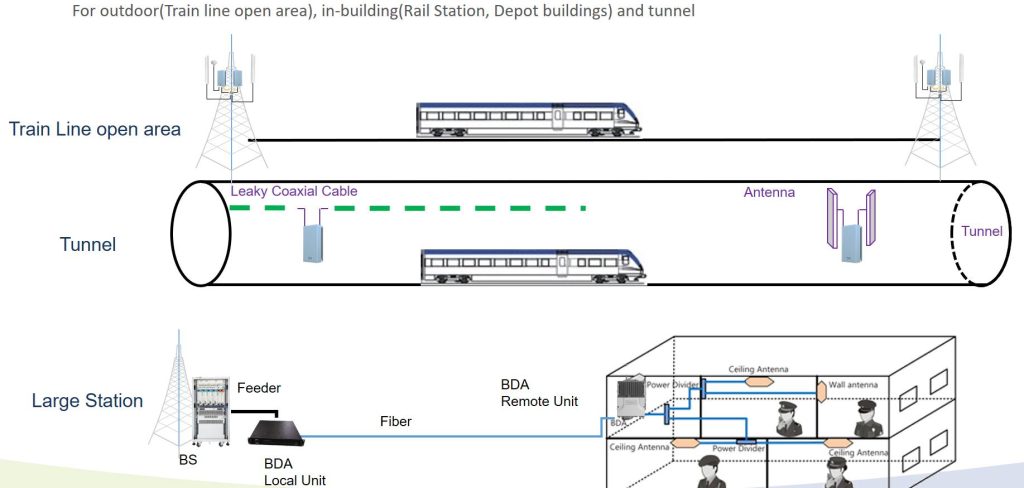
While signalling systems govern train movement, they rely on a stable communication layer to function effectively.

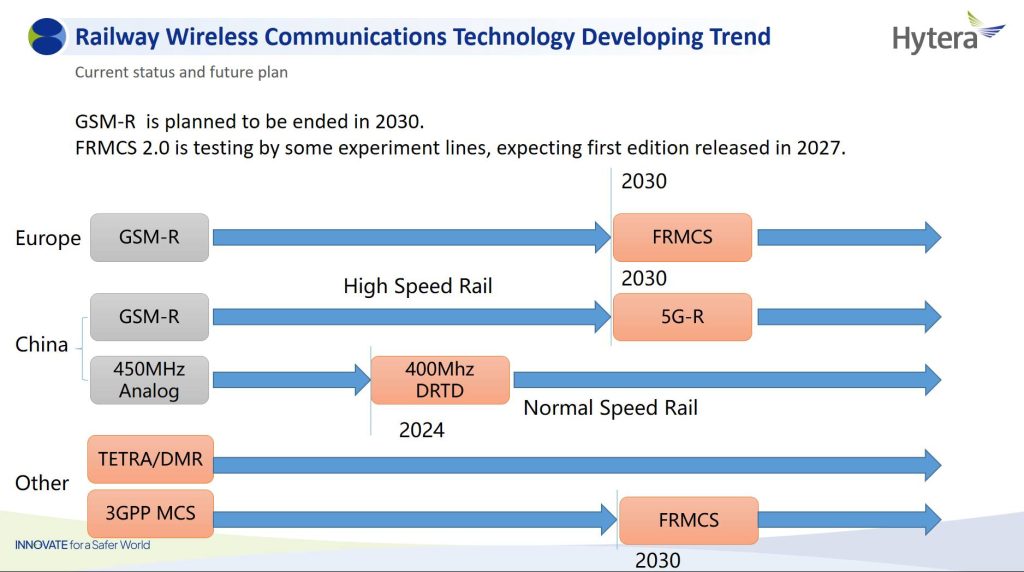
Technologies such as TETRA and DMR support this requirement by enabling continuous operational coordination. These systems provide direct communication between drivers and control centres, facilitate dispatching and emergency response, and connect operational and maintenance teams in real time.

In environments where full ETCS deployment is not yet practical, communication systems play a critical role in improving safety and coordination, particularly across partially modernised networks.

Integration in Practice: Egypt’s Metro

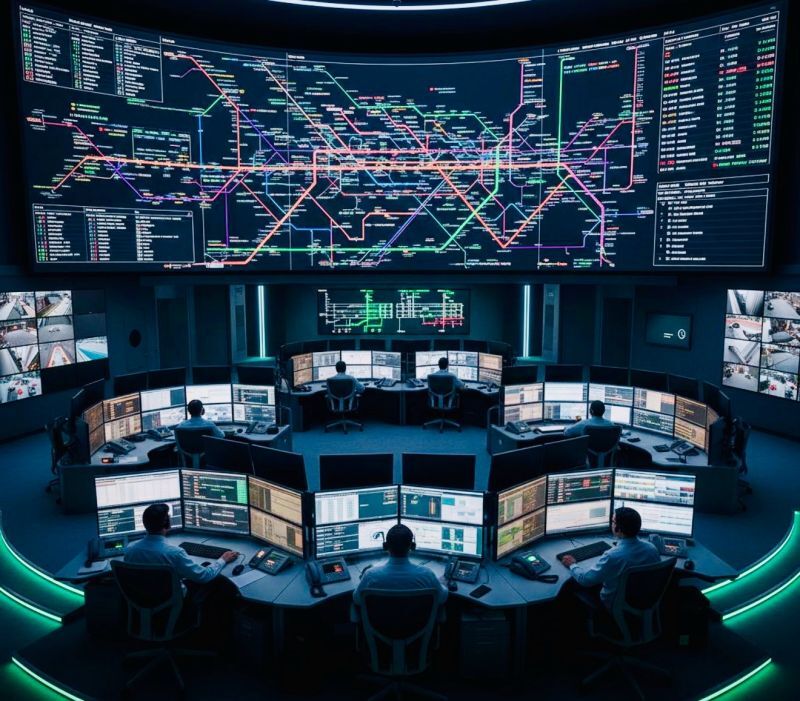
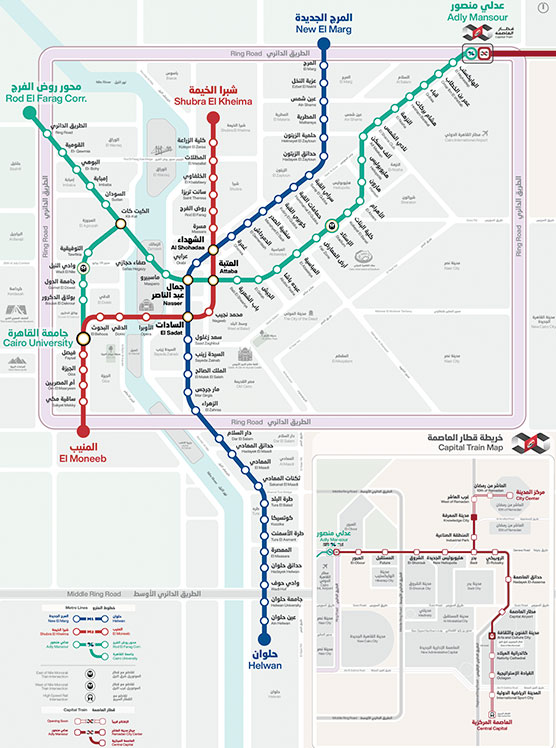
Egypt’s metro network illustrates how communication systems support high-density operations. In this environment, continuous connectivity between drivers and control centres underpins efficient dispatching and incident response.

These communication platforms operate alongside signalling and control systems, ensuring both human and system-level coordination is maintained. This reflects a broader trend across African railways, where modernisation is delivered through layered integration rather than wholesale system replacement.

Interoperability and Network Evolution

Across the continent, including in South Africa, operators are increasingly required to address interoperability as networks evolve and open to multiple operators.

The challenge extends beyond selecting signalling standards to ensuring compatibility between systems supplied by different vendors. ETCS offers a pathway toward standardisation, but its effectiveness depends on alignment with communication infrastructure and existing operational frameworks.

Communication technologies such as TETRA and DMR provide a stable foundation in this context, supporting current operations while enabling integration with future signalling upgrades and facilitating coordination across multi-operator environments.

A Phased Approach to Modernisation

Many operators are adopting a staged approach to transformation. This typically involves retaining existing signalling where required, strengthening communication systems to improve operational performance, and progressively introducing advanced control systems such as ETCS.

This approach reduces implementation risk, supports continuity of operations, and allows investment to be aligned with network priorities.

As Africa’s railway sector evolves, the focus is shifting toward integrated systems rather than standalone technologies.

Signalling systems define train movement, while communication systems ensure coordination across operations. Together, they underpin safer, more efficient, and more interoperable railway networks.
Contributor:

Original Article URL 1Original Article URL 2
Abdelkhalek Abdelsamia
Hytera
Item 2

Contributor:

Bridging Communication and Signalling in Africa’s Railway Transformation

Contributor: Abdelkhalek Abdelsamiaa, Sales Manager, Middle East & North Africa  – Hytera Communications Corporation Limited

Railway modernisation across Africa is increasingly defined not only by infrastructure expansion, but by how systems communicate, integrate, and operate as a cohesive whole.

While industry focus often centres on signalling technologies such as the European Train Control System (ETCS), the role of mission-critical communication systems remains equally important. Understanding how these layers interact is essential for operators navigating modernisation, interoperability, and mixed-technology environments.

From Trackside Signalling to Digital Control

Railway operations have traditionally relied on trackside signals, manual procedures, and visual communication between drivers and control centres. These systems remain in use across parts of Africa, particularly on legacy or lower-density networks.

Modern signalling systems such as ETCS are reshaping operations through continuous communication between trains and infrastructure. This enables real-time movement authority, speed supervision, and enhanced safety through automatic train protection.

In more advanced applications, ETCS can remove the need for physical signals entirely, with operational data presented directly within the driver’s cab. However, implementation across diverse networks, from high-capacity metros to long-distance freight corridors, introduces both technical and operational complexity.

Communication as the Operational Layer

While signalling systems govern train movement, they rely on a stable communication layer to function effectively.

Technologies such as TETRA and DMR support this requirement by enabling continuous operational coordination. These systems provide direct communication between drivers and control centres, facilitate dispatching and emergency response, and connect operational and maintenance teams in real time.

In environments where full ETCS deployment is not yet practical, communication systems play a critical role in improving safety and coordination, particularly across partially modernised networks.

Integration in Practice: Egypt’s Metro

Egypt’s metro network illustrates how communication systems support high-density operations. In this environment, continuous connectivity between drivers and control centres underpins efficient dispatching and incident response.

These communication platforms operate alongside signalling and control systems, ensuring both human and system-level coordination is maintained. This reflects a broader trend across African railways, where modernisation is delivered through layered integration rather than wholesale system replacement.

Interoperability and Network Evolution

Across the continent, including in South Africa, operators are increasingly required to address interoperability as networks evolve and open to multiple operators.

The challenge extends beyond selecting signalling standards to ensuring compatibility between systems supplied by different vendors. ETCS offers a pathway toward standardisation, but its effectiveness depends on alignment with communication infrastructure and existing operational frameworks.

Communication technologies such as TETRA and DMR provide a stable foundation in this context, supporting current operations while enabling integration with future signalling upgrades and facilitating coordination across multi-operator environments.

A Phased Approach to Modernisation

Many operators are adopting a staged approach to transformation. This typically involves retaining existing signalling where required, strengthening communication systems to improve operational performance, and progressively introducing advanced control systems such as ETCS.

This approach reduces implementation risk, supports continuity of operations, and allows investment to be aligned with network priorities.

As Africa’s railway sector evolves, the focus is shifting toward integrated systems rather than standalone technologies.

Signalling systems define train movement, while communication systems ensure coordination across operations. Together, they underpin safer, more efficient, and more interoperable railway networks.
Web

Content Visibility:

SEO Title
Bridging Communication and Signalling in Africa’s Railway Transformation
SEO Description
Signalling systems such as ETCS and mission-critical communication technologies like TETRA and DMR are shaping safer, interoperable railway networks across Africa.
SEO Keywords


SEO Keyphrase
  • Signalling & Communications
  • ALL - Africa
Item 2

Tag https://www.linkedin.com/company/hytera/
https://www.facebook.com/Hytera.Global
https://www.instagram.com/hytera.global/

and https://www.linkedin.com/in/abdelkhalek-ahmed-649a46162/

https://www.railwaysafrica.com/news/bridging-communication-and-signalling-in-africas-railway-transformation

Railway modernisation in Africa is no longer just about infrastructure! It is about how signalling and communication systems work together to enable safe, efficient, and interoperable operations across increasingly complex networks.

From ETCS to TETRA and DMR, this article by Abdelkhalek Abdelsamia of Hytera examines how layered integration is shaping the future of rail across Africa, including an example from Egypt.

Read more here:

#Railways #Rail #Africa #RailModernisation #ETCS #Signalling #echnology #Transport #Infrastructure #DigitalRailway #RailInnovation #SmartRail #TETRA #DMR #RailOperations

Item 2

Contributor:

Bridging Communication and Signalling in Africa’s Railway Transformation

Contributor: Abdelkhalek Abdelsamiaa, Sales Manager, Middle East & North Africa  – Hytera Communications Corporation Limited

Railway modernisation across Africa is increasingly defined not only by infrastructure expansion, but by how systems communicate, integrate, and operate as a cohesive whole.

While industry focus often centres on signalling technologies such as the European Train Control System (ETCS), the role of mission-critical communication systems remains equally important. Understanding how these layers interact is essential for operators navigating modernisation, interoperability, and mixed-technology environments.

From Trackside Signalling to Digital Control

Railway operations have traditionally relied on trackside signals, manual procedures, and visual communication between drivers and control centres. These systems remain in use across parts of Africa, particularly on legacy or lower-density networks.

Modern signalling systems such as ETCS are reshaping operations through continuous communication between trains and infrastructure. This enables real-time movement authority, speed supervision, and enhanced safety through automatic train protection.

In more advanced applications, ETCS can remove the need for physical signals entirely, with operational data presented directly within the driver’s cab. However, implementation across diverse networks, from high-capacity metros to long-distance freight corridors, introduces both technical and operational complexity.

Communication as the Operational Layer

While signalling systems govern train movement, they rely on a stable communication layer to function effectively.

Technologies such as TETRA and DMR support this requirement by enabling continuous operational coordination. These systems provide direct communication between drivers and control centres, facilitate dispatching and emergency response, and connect operational and maintenance teams in real time.

In environments where full ETCS deployment is not yet practical, communication systems play a critical role in improving safety and coordination, particularly across partially modernised networks.

Integration in Practice: Egypt’s Metro

Egypt’s metro network illustrates how communication systems support high-density operations. In this environment, continuous connectivity between drivers and control centres underpins efficient dispatching and incident response.

These communication platforms operate alongside signalling and control systems, ensuring both human and system-level coordination is maintained. This reflects a broader trend across African railways, where modernisation is delivered through layered integration rather than wholesale system replacement.

Interoperability and Network Evolution

Across the continent, including in South Africa, operators are increasingly required to address interoperability as networks evolve and open to multiple operators.

The challenge extends beyond selecting signalling standards to ensuring compatibility between systems supplied by different vendors. ETCS offers a pathway toward standardisation, but its effectiveness depends on alignment with communication infrastructure and existing operational frameworks.

Communication technologies such as TETRA and DMR provide a stable foundation in this context, supporting current operations while enabling integration with future signalling upgrades and facilitating coordination across multi-operator environments.

A Phased Approach to Modernisation

Many operators are adopting a staged approach to transformation. This typically involves retaining existing signalling where required, strengthening communication systems to improve operational performance, and progressively introducing advanced control systems such as ETCS.

This approach reduces implementation risk, supports continuity of operations, and allows investment to be aligned with network priorities.

As Africa’s railway sector evolves, the focus is shifting toward integrated systems rather than standalone technologies.

Signalling systems define train movement, while communication systems ensure coordination across operations. Together, they underpin safer, more efficient, and more interoperable railway networks.
Print

Magazine Section

Africa Update

Instructions

Craig – I emailed the pics to you