Week: 2025-44Print Edition:Edit Article
  • 10. Completed
Item 1

Botswana Plans Major Shift in Infrastructure Development Approach

Botswana is preparing for a major shift in its infrastructure development approach, with plans to table the Public-Private Partnership (PPP) Bill within the next 12 months. The move forms part of a broader national strategy to deploy PPP functions, strengthen the PPP Unit, and establish a clear governance framework to guide future projects.

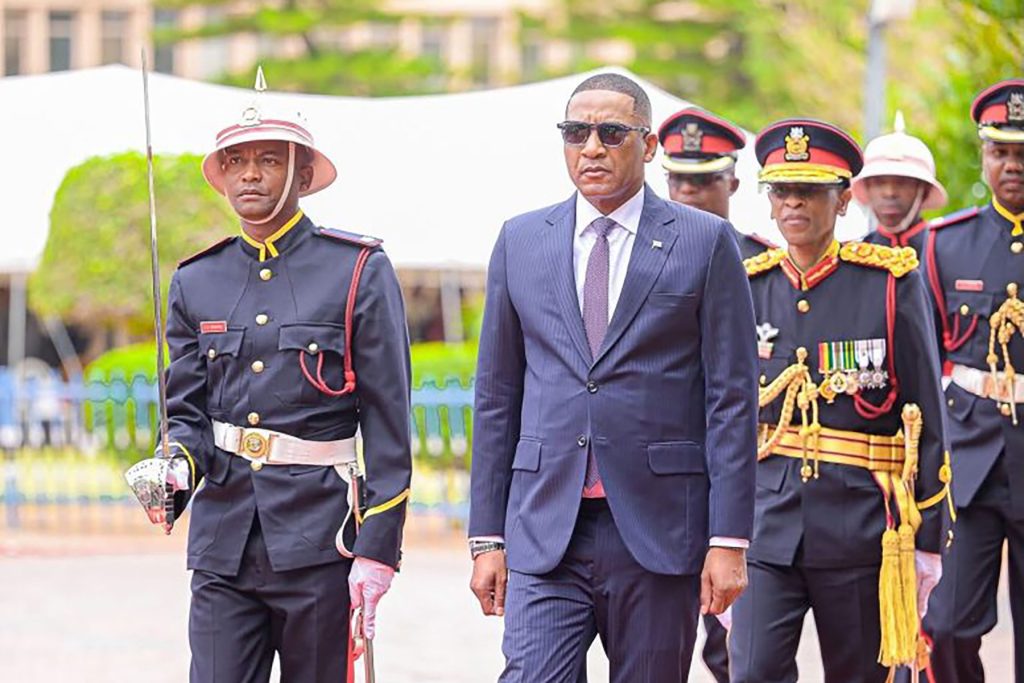
In his State of the Nation Address, President Duma Boko outlined the government’s vision, stating that these measures are designed to ensure PPPs deliver value, efficiency, and tangible impact. With fiscal pressures limiting public spending, he said the PPP model has become a critical tool for advancing infrastructure development without straining government resources.

Infrastructure, the president noted, remains central to Botswana’s long-term economic and social aspirations. Positioned as a land-linked nation, Botswana serves as a vital transit hub in Southern Africa, connecting countries such as Namibia, Zambia, Zimbabwe, Angola, and South Africa through the North-South and Trans-Kalahari corridors.

As the African Continental Free Trade Area (AfCFTA) takes shape, Botswana aims to strengthen its role in regional trade. To support this ambition, the government has begun reviewing and harmonising national transport laws and standards to align with regional economic frameworks.

Central to the government’s vision is transforming Botswana into a transport hub for the 360 million-strong Southern African Development Community (SADC) market. Plans include upgrading national roads and introducing high-quality tolled routes to sustain road development and maintenance.

Beyond roads, the government is turning its attention to rail transport, recognising its potential to unlock new markets and boost trade competitiveness. Two major rail projects are in development—the Mmamabula-Lephalale Railway Line and the Mosetse-Kazungula-Livingstone Line—both forming part of SADC’s North-South Corridor strategy.

The Mmamabula–Lephalale Railway will link Botswana’s Mmamabula coalfields with Lephalale in South Africa, enabling coal exports and supporting power generation. Meanwhile, the Mosetse–Kazungula–Livingstone Railway, stretching 430 kilometres, will connect Botswana’s network to Zambia’s through the new Kazungula Bridge over the Zambezi River, enhancing regional transport integration and trade efficiency.
Item 2

Contributor: Chamwe Kaira

Botswana Plans Major Shift in Infrastructure Development Approach

Botswana is preparing for a major shift in its infrastructure development approach, with plans to table the Public-Private Partnership (PPP) Bill within the next 12 months. The move forms part of a broader national strategy to deploy PPP functions, strengthen the PPP Unit, and establish a clear governance framework to guide future projects.

In his State of the Nation Address, President Duma Boko outlined the government’s vision, stating that these measures are designed to ensure PPPs deliver value, efficiency, and tangible impact. With fiscal pressures limiting public spending, he said the PPP model has become a critical tool for advancing infrastructure development without straining government resources.

Infrastructure, the president noted, remains central to Botswana’s long-term economic and social aspirations. Positioned as a land-linked nation, Botswana serves as a vital transit hub in Southern Africa, connecting countries such as Namibia, Zambia, Zimbabwe, Angola, and South Africa through the North-South and Trans-Kalahari corridors.

As the African Continental Free Trade Area (AfCFTA) takes shape, Botswana aims to strengthen its role in regional trade. To support this ambition, the government has begun reviewing and harmonising national transport laws and standards to align with regional economic frameworks.

Central to the government’s vision is transforming Botswana into a transport hub for the 360 million-strong Southern African Development Community (SADC) market. Plans include upgrading national roads and introducing high-quality tolled routes to sustain road development and maintenance.

Beyond roads, the government is turning its attention to rail transport, recognising its potential to unlock new markets and boost trade competitiveness. Two major rail projects are in development—the Mmamabula-Lephalale Railway Line and the Mosetse-Kazungula-Livingstone Line—both forming part of SADC’s North-South Corridor strategy.

The Mmamabula–Lephalale Railway will link Botswana’s Mmamabula coalfields with Lephalale in South Africa, enabling coal exports and supporting power generation. Meanwhile, the Mosetse–Kazungula–Livingstone Railway, stretching 430 kilometres, will connect Botswana’s network to Zambia’s through the new Kazungula Bridge over the Zambezi River, enhancing regional transport integration and trade efficiency.

Web

Content Visibility:

SEO Title
Botswana Plans Major Shift in Infrastructure Development Approach
SEO Description
Botswana to table PPP Bill within 12 months to drive infrastructure reform, boost trade, and strengthen its role as a key Southern African transport hub.
SEO Keywords


SEO Keyphrase
  • AfCTA
  • Freight & Logistics
  • Infrastructure
  • Mining
  • Policy & Legislation
  • Railway Infrastructure
  • Regional Trade
  • Transport Infrastructure
  • Southern Africa
  • Botswana
Item 2

https://www.railwaysafrica.com/news/botswana-plans-major-shift-in-infrastructure-development-approach

Botswana is set to transform its infrastructure delivery model with plans to introduce the Public-Private Partnership (PPP) Bill within the next 12 months.

President Duma Boko outlined a vision to strengthen the PPP Unit, improve governance, and attract private-sector investment to accelerate infrastructure growth and trade connectivity across Southern Africa.

The strategy aims to position Botswana as a major transport hub for the SADC region through upgraded roads and key railway projects, including the Mmamabula–Lephalale and Mosetse–Kazungula–Livingstone lines.

#Botswana #Infrastructure #PPP #PublicPrivatePartnership #SADC #InfrastructureDevelopment #TransportCorridors #NorthSouthCorridor #TransKalahariCorridor #MmamabulaLephalaleRailway #MosetseKazungulaLivingstoneRailway #BotswanaRail #AfCFTA #RegionalTrade #SouthernAfrica

Botswana to table a PPP Bill within 12 months to reform infrastructure delivery, strengthen trade, and build a regional transport hub. #BotswanaInfrastructure #PPP #SADC

Item 2

Contributor: Chamwe Kaira

Botswana Plans Major Shift in Infrastructure Development Approach

Botswana is preparing for a major shift in its infrastructure development approach, with plans to table the Public-Private Partnership (PPP) Bill within the next 12 months. The move forms part of a broader national strategy to deploy PPP functions, strengthen the PPP Unit, and establish a clear governance framework to guide future projects.

In his State of the Nation Address, President Duma Boko outlined the government’s vision, stating that these measures are designed to ensure PPPs deliver value, efficiency, and tangible impact. With fiscal pressures limiting public spending, he said the PPP model has become a critical tool for advancing infrastructure development without straining government resources.

Infrastructure, the president noted, remains central to Botswana’s long-term economic and social aspirations. Positioned as a land-linked nation, Botswana serves as a vital transit hub in Southern Africa, connecting countries such as Namibia, Zambia, Zimbabwe, Angola, and South Africa through the North-South and Trans-Kalahari corridors.

As the African Continental Free Trade Area (AfCFTA) takes shape, Botswana aims to strengthen its role in regional trade. To support this ambition, the government has begun reviewing and harmonising national transport laws and standards to align with regional economic frameworks.

Central to the government’s vision is transforming Botswana into a transport hub for the 360 million-strong Southern African Development Community (SADC) market. Plans include upgrading national roads and introducing high-quality tolled routes to sustain road development and maintenance.

Beyond roads, the government is turning its attention to rail transport, recognising its potential to unlock new markets and boost trade competitiveness. Two major rail projects are in development—the Mmamabula-Lephalale Railway Line and the Mosetse-Kazungula-Livingstone Line—both forming part of SADC’s North-South Corridor strategy.

The Mmamabula–Lephalale Railway will link Botswana’s Mmamabula coalfields with Lephalale in South Africa, enabling coal exports and supporting power generation. Meanwhile, the Mosetse–Kazungula–Livingstone Railway, stretching 430 kilometres, will connect Botswana’s network to Zambia’s through the new Kazungula Bridge over the Zambezi River, enhancing regional transport integration and trade efficiency.

Print

Magazine Section

Africa Update

Instructions

President Duma Boko of Botswana at parliament in Gaborone. Photo: Botswana Presidency